Armed Robbery Defender Waits For Perfect Moment to Counter-Ambush

Published on November 2, 2021
Duration: 5:53

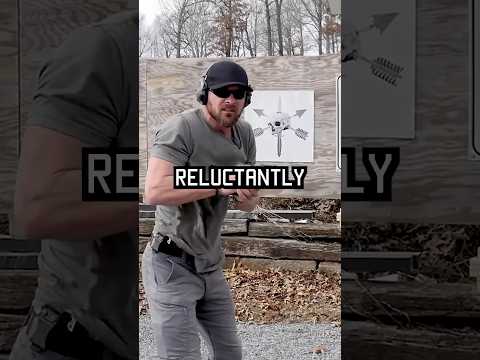
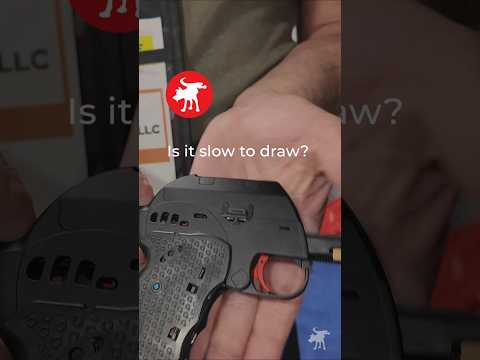
This guide details a defensive draw technique, emphasizing the 'fig leaf' posture for concealment and readiness, as demonstrated by John Correia. It also highlights the critical importance of vetting your equipment, specifically focusing on holster retention to prevent failures during a critical incident. The analysis includes a real-world example of a holster malfunction and stresses the need for reliable gear.

Quick Summary

John Correia of Active Self Protection analyzes a defensive encounter where a defender used the 'fig leaf' posture for a 1.1-second draw. The video stresses tactical patience, waiting for opportune moments, and critically vetting gear, particularly holster retention, to prevent failures during critical incidents.

Chapters

  1. 00:00Introduction: Counter-Ambush Scenario
  2. 01:13Importance of Constant Carry
  3. 01:47Tactical Patience and Waiting for Opportunity
  4. 02:25The 'Fig Leaf' Draw Technique
  5. 03:38Holster Failure and Equipment Vetting
  6. 04:39Marksmanship and Legal Considerations

Frequently Asked Questions

What is the 'fig leaf' posture in self-defense?

The 'fig leaf' posture is a non-threatening stance where hands are clasped in front, allowing for concealed firearm access. It was highlighted as a method to appear harmless while maintaining readiness for a defensive action.

Why is holster retention crucial during a defensive encounter?

Crucial holster retention ensures the firearm remains secured during movement. A failing holster, like the nylon one shown, can detach with the gun, leaving the defender disarmed and vulnerable when immediate action is required.

What tactical advice is given regarding drawing a firearm?

The video advises against drawing immediately upon perceiving a threat. Instead, it suggests waiting for a distraction or opportune moment to draw, minimizing the risk of drawing fatal attention prematurely.

What are the dangers of chasing a fleeing suspect?

Chasing fleeing felons after neutralizing the immediate threat is strongly discouraged due to significant legal and tactical risks. The focus should remain on securing the immediate situation and not pursuing a suspect who is no longer an active danger.

Related News

All News →

More Tactical & Gear Videos You Might Like

More from Active Self Protection

View all →