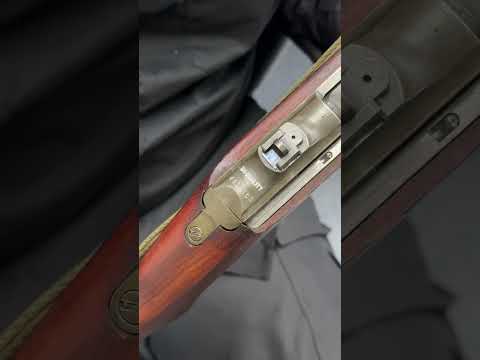
Baby Nambu Rig

Published on July 17, 2024
Duration: 0:59

This entry details the Baby Nambu pistol rig, emphasizing its role as a status symbol for Japanese officers from 1903-1927. It covers the pistol's historical context, production details from the Tokyo Arsenal, and the components of its associated shoulder holster, including rare ammunition. The information is presented with high authority, drawing on detailed markings and historical production data.

Quick Summary

The Baby Nambu pistol, produced by the Tokyo Arsenal from 1903-1927, served as a status symbol for Japanese officers. Its rig includes a shoulder holster, matching magazine, and cleaning rod. The associated 7mm Nambu ammunition is exceptionally rare, costing up to $50 per round.

Chapters

  1. 00:00Introduction to Nambu Pistols
  2. 00:12The Baby Nambu Rig
  3. 00:23History and Purpose
  4. 00:33Markings and Serial Numbers
  5. 00:49Holster Details and Ammunition

Frequently Asked Questions

What is the Baby Nambu pistol?

The Baby Nambu is a semi-automatic pistol produced by the Tokyo Arsenal from 1903 to 1927. It was primarily a status symbol for Japanese Army and Navy officers, rather than a standard issue sidearm.

What are the key features of the Baby Nambu rig?

The Baby Nambu rig includes the pistol, a shoulder strap holster, a matching magazine, and a cleaning rod. The holster has specific compartments for these accessories and ammunition.

How rare is the ammunition for the Baby Nambu?

The 7mm Nambu ammunition used by the Baby Nambu is exceptionally rare and expensive, with individual rounds sometimes fetching prices up to $50.

Where was the Baby Nambu manufactured?

The Baby Nambu was manufactured by the Tokyo Arsenal, a significant producer of Japanese military firearms during the early 20th century.

More Tactical & Gear Videos You Might Like

More from Legacy Collectibles

View all →