This video provides a detailed guide to disassembling the Japanese Type 14 Nambu semi-automatic pistol. It covers the step-by-step process, highlighting key components like the bolt, recoil springs, and locking block. The guide emphasizes safety precautions and offers tips for handling collectible firearms during disassembly.
This entry details the Baby Nambu pistol rig, emphasizing its role as a status symbol for Japanese officers from 1903-1927. It covers the pistol's historical context, production details from the Tokyo Arsenal, and the components of its associated shoulder holster, including rare ammunition. The information is presented with high authority, drawing on detailed markings and historical production data.
This video provides an in-depth historical and technical examination of the Japanese Arisaka Type 30 rifle, the Empire of Japan's first smokeless bolt-action rifle. It details its design influences, technical specifications, development, and service history, including comparisons with contemporary rifles like the Mauser and Mannlicher. The video also covers the Type 30 carbine variant and its adoption by various global forces.
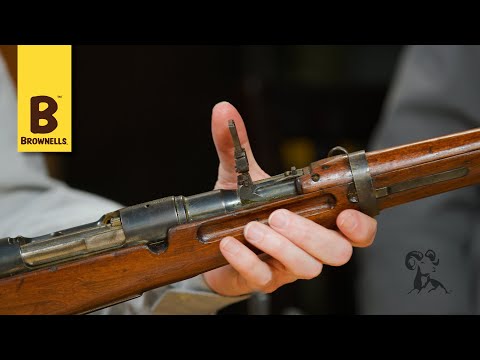
This "From the Vault" episode features Brownells Gun Techs Steve and Keith showcasing the Japanese Arisaka Type 38 Cavalry Carbine from World War II. They highlight its shorter and lighter design compared to infantry rifles, its original intended use for cavalry and rear-echelon troops, and its suitability as a potential "jungle carbine." The discussion delves into its chambering in 6.5x50mm Arisaka, its gentle recoil, and its straightforward action, which is similar to the Type 99. Specific features like the Mauser-style bolt, claw extractor, 5-round internal magazine, reinforcement tangs, side sling swivels, and barrel length are detailed. The episode also touches on the significance of the chrysanthemum stamp on the receiver and its impact on a rifle's value, emphasizing this particular carbine's excellent condition and historical significance.
This video provides an in-depth look at the Japanese Baby Nambu pistol, highlighting its historical significance, rarity, and collector value. The presenter, an experienced firearms dealer, details production numbers, variations, and the unique characteristics of specific models, including an extremely rare 'Imperial Gift' variant. He also discusses the scarcity and value of associated accessories like holsters and magazines, offering insights into the challenges of collecting these historical firearms.
This guide details the operation and maintenance of the Japanese Type 100 Flamethrower, drawing on expert insights from Ian McCollum and Charlie Hobson. It covers the weapon's unique pressure system, pyrotechnic ignition, tactical applications, and maintenance considerations, emphasizing its historical context and design differences from contemporary US systems. The information is presented with an expert authority level, suitable for those interested in historical military hardware.
This guide details the field stripping and reassembly of the rare Japanese 7.65mm Hamada pistol, as demonstrated by Ian McCollum of Forgotten Weapons. It highlights the pistol's unique rotational barrel lock mechanism, distinct from its Browning 1910 inspiration. The process requires careful attention due to spring tension, especially during reassembly. This information is valuable for collectors and historians interested in Japanese martial arms.
This guide details the tool-less disassembly of the Japanese Type 26 Revolver, a process facilitated by swinging the trigger guard forward. The video, presented by Ian McCollum of Forgotten Weapons, highlights the unique mechanism and provides insights into its historical context and maintenance. The revolver, adopted in 1893, is notable for its early Japanese domestic production and its functional similarities to contemporary British designs.
You've reached the end! 8 videos loaded.
Gun Laws by State
Read firearms regulations for all 50 states + D.C.
Find Gun Dealers
Search licensed FFL dealers near you.