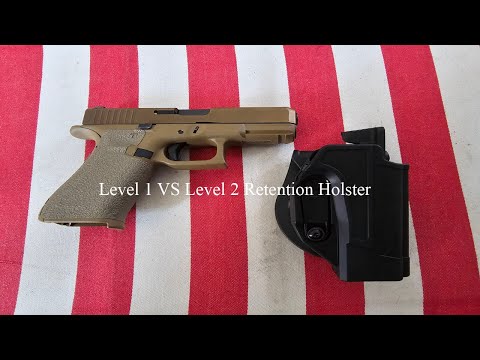
Basics of Duty / Military / Tactical Holsters

Published on February 28, 2017
Duration: 20:53

This guide covers the selection and use of duty, military, and tactical holsters, moving beyond concealed carry to open-carry professional gear. It details various holster types, retention mechanisms (active vs. passive), material considerations (Kydex vs. leather), and the importance of accessory compatibility. Expert Garand Thumb emphasizes active retention for duty use and warns against potential safety hazards with certain designs.

Quick Summary

Expert Garand Thumb details tactical, duty, and military holsters, emphasizing active retention systems like Safariland ALS/SLS and G-Code XST for superior weapon security. He contrasts Kydex with leather, warns against potential safety hazards of certain designs like the Blackhawk Serpa, and highlights the necessity of holsters molded for weapon lights.

Chapters

  1. 00:00Introduction to Tactical Holsters
  2. 01:17Holster Materials: Leather vs. Kydex
  3. 03:09Thigh Holsters (Drop Leg) Analysis
  4. 05:13High-Ride Belt Slide Holsters
  5. 07:01Mid-Ride Holsters Explained
  6. 08:46Legacy Systems: Spectre Gear
  7. 10:24Modern Kydex: T.Rex Arms Ragnarok
  8. 12:01Weapon Light Compatibility
  9. 13:25Safariland SLS (Self Locking System)
  10. 14:58G-Code XST
  11. 16:41Safariland ALS (Automatic Locking System)
  12. 19:16Blackhawk Serpa Warning

Frequently Asked Questions

What are the key differences between active and passive retention holsters for tactical use?

Active retention holsters require a deliberate action, like pressing a button or lever, to release the firearm, offering higher security. Passive retention holsters rely on friction and tension screws, common in Kydex models, which can be faster but less secure against determined removal attempts.

Why is Kydex generally preferred over leather for tactical holsters?

Kydex is preferred for tactical holsters because it is durable, maintains its shape even when wet, and provides a consistent fit for the firearm. Leather can deform when wet, potentially compromising the trigger guard and leading to safety issues during re-holstering.

What is the main safety concern with the Blackhawk Serpa holster?

The primary safety concern with the Blackhawk Serpa holster is its trigger-finger release mechanism. Under stress, users may inadvertently engage this release, potentially causing an accidental discharge during the draw stroke.

How important is weapon light compatibility when choosing a tactical holster?

Weapon light compatibility is crucial. Holsters must be specifically molded to accommodate the exact model of your firearm and any attached accessories, such as weapon lights (e.g., Surefire X300) or optics (e.g., Trijicon RMR), to ensure a secure fit and reliable retention.

More Tactical & Gear Videos You Might Like

More from Garand Thumb

View all →