Best Holster Carry Positions

Published on November 10, 2020
Duration: 6:23

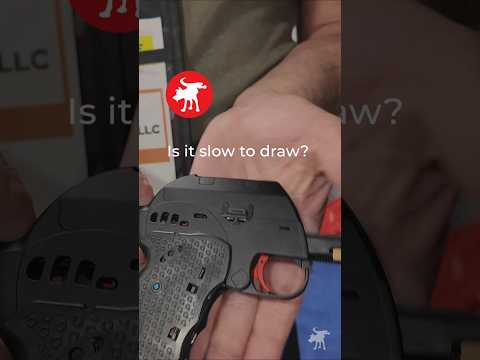
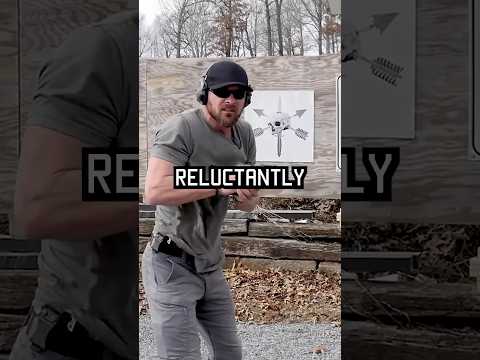
This guide details two common concealed carry methods: appendix carry and strong side hip carry. Instructor Ernie Medina explains the pros and cons of each, including draw speed, comfort while seated, and retention during close-quarters engagements. The demonstration covers proper firearm clearing, draw strokes, and holster cant considerations for effective and safe concealed carry.

Quick Summary

Instructor Ernie Medina of Tap Rack Bang, LLC explains that appendix carry offers fast draws and easy monitoring but can be uncomfortable when seated and poses retention risks in close combat. Strong side hip carry is more comfortable when seated and provides better retention against attackers, with cant options like the FBI cant aiding concealment.

Chapters

  1. 00:00Introduction & Safety Check
  2. 00:25Appendix Carry Explained
  3. 01:08Appendix Carry Draw Demonstration
  4. 02:01Appendix Carry Pros & Cons
  5. 02:51Strong Side Hip Carry Explained
  6. 03:15Strong Side Hip Carry Benefits
  7. 04:14Holster Cant: Zero vs. FBI
  8. 05:04Strong Side Hip Carry Draw
  9. 05:23Strong Side Hip Carry vs. Appendix Speed
  10. 06:02Conclusion & CCW Class Info

Frequently Asked Questions

What are the main advantages of appendix carry for concealed firearms?

Appendix carry is often preferred for its speed in drawing the firearm and placing it on target. It's also favored because the firearm is located in front of the body, allowing the carrier to easily monitor and access it, and feel more secure about its location.

What are the potential downsides of appendix carry?

A significant drawback of appendix carry is discomfort when seated for long periods, as the firearm can dig into the inner thigh. Additionally, in close-quarters engagements, both the carrier and a threat may have access to the firearm if they are within arm's reach.

Where is the strong side hip carry position typically located?

For right-handed individuals, the strong side hip carry is usually positioned around the 4:00 to 4:30 mark on the hip. For left-handed individuals, it's typically around the 7:30 to 8:00 position, behind the 3:00 and 9:00 clock positions respectively.

How does holster cant affect strong side hip carry?

Holster cant refers to the angle. A zero cant means the firearm is straight up and down. A 15-degree forward cant, known as the FBI cant, angles the grip forward, which can help conceal the butt of the firearm by tucking it closer to the body.

Related News

All News →

More Tactical & Gear Videos You Might Like

More from Tap Rack Bang, LLC

View all →