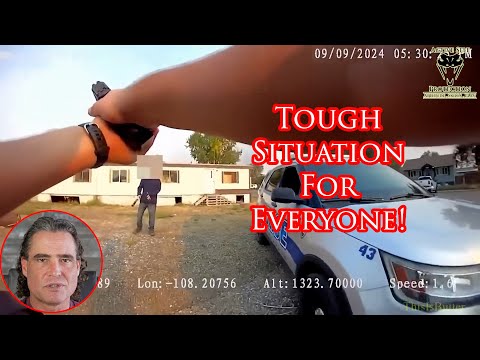
California LEOs Shown To Have Acted Reasonably

Published on July 6, 2019
Duration: 8:09

This guide outlines law enforcement response protocols during an active threat incident, drawing from an analysis of a real-world event in Alpine, California. It emphasizes threat assessment, de-escalation, decisive action, controlled firing, muzzle discipline, and understanding human performance factors. The analysis highlights the importance of ingrained marksmanship skills and tactical movement in high-stress situations.

Quick Summary

An analysis of a California law enforcement incident concluded officers acted reasonably. Key takeaways include the importance of a security door as a barrier, the need for strict muzzle awareness, controlled firing sequences, and understanding the "human performance factor" (approx. 0.8 seconds for the brain to stop shooting).

Chapters

  1. 00:00Introduction and Incident Context
  2. 01:02The Incident and Immediate Outcome
  3. 02:11Tactical Analysis: Speed of Draw
  4. 03:42Firearm Safety and Muzzle Awareness
  5. 04:14Marksmanship and Human Performance
  6. 06:34Ingrained Skills and Movement

Frequently Asked Questions

What tactical factors were highlighted in the California LEO incident analysis?

The analysis emphasized the speed of draw, the effectiveness of a security door as a barrier, the importance of muzzle awareness, controlled firing sequences, and understanding human performance factors in high-stress engagements.

What safety concerns were identified during the law enforcement response?

A key safety concern noted was an officer's muzzle briefly pointing at his partner's back during movement, underscoring the critical need for constant muzzle discipline even in adrenalized situations.

How did the security screen door impact the incident?

The security screen door served as a crucial barrier, providing law enforcement officers with essential time to assess the threat and react, which might not have been available in an open encounter.

What is the "human performance factor" in shooting?

The "human performance factor" refers to the time it takes for the brain to process a threat's cessation and stop shooting, estimated at around 0.8 seconds, which can explain shots fired as a suspect falls.

Related News

All News →

More Tactical & Gear Videos You Might Like

More from Active Self Protection

View all →