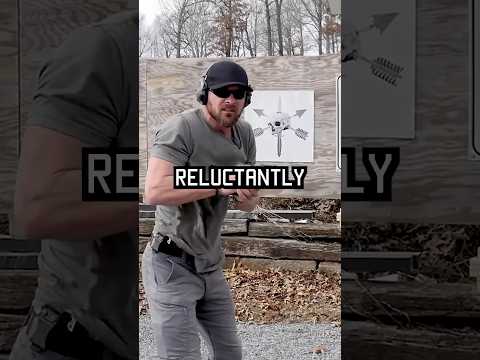
Concealed Carry Holster Necessities

Published on March 26, 2021
Duration: 9:57

This guide outlines essential qualities for inside-the-waistband concealed carry holsters, focusing on non-negotiable features. It emphasizes adequate retention, an open mouth design to prevent collapse, hard trigger coverage for safety, and consistent access to the firearm for a proper firing grip. The video suggests practical testing methods, including physical drills and simulated wrestling, to ensure holster reliability during daily activities.

Quick Summary

Essential qualities for an inside-the-waistband concealed carry holster include adequate retention, an open mouth design to prevent collapse, hard trigger coverage for safety, and consistent access to achieve a proper firing grip. Testing retention through physical drills with an unloaded firearm or blue gun is recommended.

Chapters

  1. 00:00Introduction & Apology
  2. 00:25Holster Necessities Overview
  3. 01:14Quality 1: Adequate Retention
  4. 01:37Testing Holster Retention
  5. 02:24Home-Based Retention Tests
  6. 03:01Quality 2: Open Mouth Design
  7. 03:43Quality 3: Hard Trigger Coverage
  8. 04:05Why Trigger Coverage is Crucial
  9. 04:18Accidental Trigger Pull Story
  10. 05:02Things That Can Pull a Trigger
  11. 06:09Quality 4: Consistent Firearm Access
  12. 06:27Deep Concealment vs. Normal Carry
  13. 07:09Resource for Deep Concealment
  14. 07:57Defining Consistent Access
  15. 08:07Achieving a Firing Grip
  16. 09:09Holster Adjustability Considerations
  17. 09:26Conclusion & Call to Action

Frequently Asked Questions

What are the essential qualities for an inside-the-waistband concealed carry holster?

Essential qualities include adequate retention to secure the firearm, an open mouth design that prevents collapse after drawing, hard trigger coverage for safety, and consistent access to achieve a proper firing grip.

How can I effectively test the retention of my concealed carry holster?

Test retention by using an unloaded firearm or a weighted blue gun and performing daily activities, jumping jacks, burpees, or simulated wrestling. This ensures the holster performs reliably under movement and stress.

Why is hard trigger coverage so important in a concealed carry holster?

Hard trigger coverage is vital because it prevents accidental trigger pulls from external factors like clothing, drawstrings, or even pets. It ensures the trigger cannot be manipulated when the firearm is holstered.

What is the difference between deep concealment and normal concealed carry?

Normal concealed carry focuses on hiding the firearm effectively for everyday situations. Deep concealment aims for complete undetectability, even when clothing is moved, and is typically for non-permissive environments.

Related News

All News →

More Tactical & Gear Videos You Might Like

More from Tessah Booth

View all →