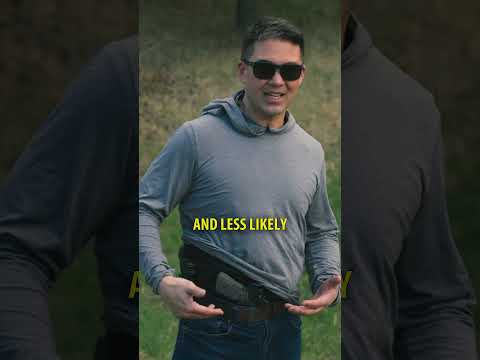
Concealed Carry Positions | Tips And Considerations

Published on September 28, 2024
Duration: 10:37

This video explores three primary concealed carry positions: appendix, strong side, and outside the waistband (OWB). The presenter, Concrete Cowboy, offers personal insights into the pros and cons of each, focusing on accessibility, concealment, comfort, and ease of drawing. He emphasizes the importance of training for each method and considering individual needs, environment, and job requirements when making a selection.

Quick Summary

The video explores appendix, strong side, and outside the waistband (OWB) concealed carry positions. Appendix carry offers quick access but can be uncomfortable. Strong side carry prioritizes comfort and has a large aftermarket. OWB is the most comfortable and fastest for drawing but requires more effort for concealment. Consistent training is crucial for any method.

Chapters

  1. 00:10Introduction: Civil Uncertainty & Self-Defense
  2. 00:47Focus: Where to Carry Your Firearm
  3. 01:02Appendix Carry: Pros and Cons
  4. 01:15Safety Concerns with Appendix Carry
  5. 02:24Advantages of Appendix Carry: Access & Defense
  6. 03:44Disadvantages of Appendix Carry: Comfort & Bending
  7. 04:33Strong Side Carry: Comfort & Accessibility
  8. 05:05Comfort vs. Carry Frequency
  9. 05:37Strong Side Holster Availability
  10. 06:16Disadvantages of Strong Side Carry: Concealment Snags
  11. 06:49Challenges of Strong Side Carry: Sitting & Drawing
  12. 07:17Outside the Waistband (OWB) Carry: Comfort & Speed
  13. 07:45OWB Carry: Support Gear & Volume
  14. 08:05OWB Carry: Concealment Requirements
  15. 08:33Open Carry Discussion
  16. 09:17When Open Carry Might Be Used (Camping, Hiking)
  17. 09:56Conclusion: Research, Comfort, and Training

Frequently Asked Questions

What are the main concealed carry positions discussed?

The video discusses three primary concealed carry positions: appendix carry (front of the body), strong side carry (dominant hip, 3:00-4:00), and outside the waistband (OWB) carry, which offers maximum comfort and speed but requires specific clothing for concealment.

What are the pros and cons of appendix carry?

Appendix carry offers excellent accessibility and ease of defense, facilitating quick draws. However, it can be less comfortable, especially when bending over, and requires careful holster selection to ensure safety.

How does strong side carry compare to appendix carry?

Strong side carry is generally more comfortable than appendix carry as it avoids body hinge points. It also boasts a vast aftermarket for holsters. A drawback is that clothing can snag, making concealment breaches harder to spot.

What are the benefits of outside the waistband (OWB) carry?

OWB carry is typically the most comfortable and allows for the fastest draw. It also facilitates carrying additional gear like spare magazines more easily. However, concealing an OWB setup usually requires layering garments like jackets or flannels.

What is the most important advice for choosing a concealed carry method?

The presenter stresses the importance of personal research, considering your environment, desired comfort level, and even your job. Consistent physical and mental training for your chosen method is paramount for effective self-defense.

Related News

All News →

More Tactical & Gear Videos You Might Like

More from Concrete Cowboy

View all →