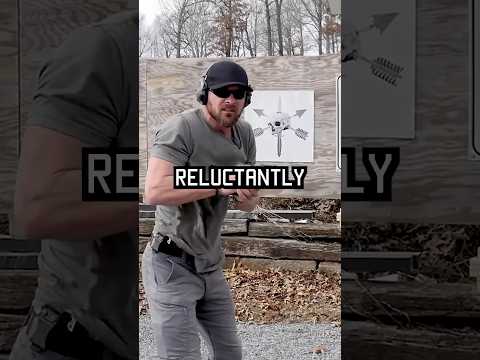
Concealed Carry Tips & Tricks

Published on March 21, 2020
Duration: 10:57

This guide details effective concealed carry techniques focusing on clothing choices, drawing from the beltline, and proper pistol presentation. It emphasizes drawing by grabbing the shirt at the belt to clear fabric, achieving a fighting grip during the draw, and pulling the trigger at full extension. The instruction also covers safe re-holstering by visually confirming the holster.

Quick Summary

Effective concealed carry involves choosing loose-fitting, dark, and flat-colored clothing, ideally with busy patterns like plaid. A stiff gun belt is essential. When drawing, grab your beltline to lift your shirt, and achieve a full fighting grip as the pistol rotates out. Pull the trigger at full arm extension and always visually confirm your holster before re-holstering.

Chapters

  1. 00:00Introduction to Concealed Carry Tips
  2. 00:29Safety Check: Empty Firearm and Mag
  3. 00:48Clothing for Concealment: Loose Fit & Color
  4. 02:21Why Plaid Shirts Aid Concealment
  5. 03:04Importance of a Stiff Gun Belt
  6. 03:42Using Undershirts for Comfort
  7. 03:58Drawing Technique: Grabbing the Beltline
  8. 05:22Grip Acquisition for Appendix Carry
  9. 06:02Pistol Presentation and Trigger Pull
  10. 07:35Why Pull Trigger at Full Extension
  11. 08:43Practical Accuracy Explained
  12. 08:45Retracting Pistol and Scanning Safely
  13. 09:24Safe Re-holstering Procedure
  14. 10:07Conclusion and Practice Recommendations

Frequently Asked Questions

What are the best clothing choices for concealed carry?

For effective concealed carry, opt for loose-fitting clothing like overshirts, flannels, or baggy t-shirts. Darker, flatter colors are preferable to bright or shiny ones, as they help mask the firearm's outline. Busy patterns like plaid can also aid concealment by breaking up the visual lines.

How should you draw a concealed firearm from appendix carry?

When drawing from appendix carry, it's recommended to grab your beltline and lift your shirt upwards. Initially, your thumb may ride the top sight and your finger along the belt. Transition to a full fighting grip as the pistol rotates out of the holster.

Why is a stiff belt important for concealed carry?

A stiff, supportive belt is crucial for concealed carry because it provides a stable platform to hold your holster and firearm. Flimsy belts that twist and bend cannot adequately support the weight, leading to discomfort and potential concealment issues.

When should you pull the trigger during a concealed carry presentation?

The trigger should be pulled at full extension of your arms. This ensures that your front sight is on target and provides a stable platform for the shot, maximizing practical accuracy in a self-defense scenario.

Related News

All News →

More Tactical & Gear Videos You Might Like

More from RTT : Guns & Gear

View all →