Everyday Carry Medical Breakdown + What Does Twitch Actually EDC? | Medical Series

Published on October 18, 2022
Duration: 22:48

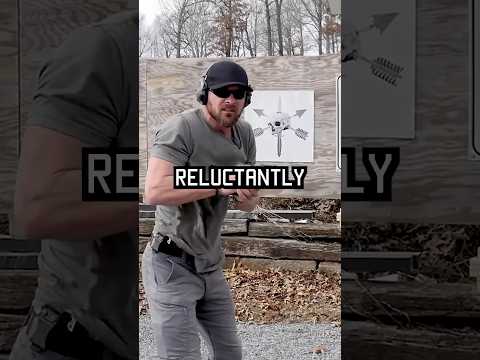
This video breaks down the Everyday Carry (EDC) medical kits of ARFCOM News host and Twitch from Refuge Medical. They discuss the importance of carrying trauma medical supplies beyond just firearms-related incidents, emphasizing their use in car accidents and general emergencies. The discussion highlights specific items like tourniquets, chest seals, gauze, and the rationale behind carrying them, drawing from personal experiences in law enforcement and civilian life. The focus is on practical application and preparedness for a range of potential injuries.

Chapters

  1. 00:53Sponsor: Dirk and Tactical
  2. 01:02Sponsor: 1776 Insurance
  3. 01:25Introduction to EDC Medical Kits
  4. 02:01Fire Starter Discussion
  5. 03:16Medical Equipment Overview
  6. 05:08Tourniquet Carry Philosophy
  7. 05:25Pocket Medical Kit Contents
  8. 06:02Pediatric Tourniquet Needs
  9. 06:35Standard Trauma Aid Items
  10. 07:32Chest Seal Considerations
  11. 08:16Nasal Airway and Shears
  12. 08:52Band-Aids and Sanity
  13. 09:35Individual Medication Packs
  14. 09:47Tourniquet Application and Durability
  15. 10:51KY Jelly for Nasal Airway
  16. 11:32Decompression Needle Discussion
  17. 12:01EDC Kit Portability
  18. 12:38Instructor Phelps' EDC Adjustments
  19. 13:02Hydration Salts and Glucose
  20. 13:39Broader Medical Preparedness
  21. 14:17Core EDC Medical 'Food Groups'
  22. 14:54Belt Pouches and Accessibility
  23. 16:07Fanny Pack for Medical Gear
  24. 17:17Marking Injuries
  25. 17:31Belt Pouch Alternatives
  26. 18:17EDC vs. Duty Belt/Plate Carrier
  27. 19:02Concealing Tactical Pouches
  28. 19:44Refuge Medical Pocket Pouch
  29. 20:37Affordability and Accessibility
  30. 21:01Personal Responsibility for Medical Aid
  31. 22:08Thanks and Outro

Frequently Asked Questions

What are the essential items for an Everyday Carry (EDC) medical kit?

An essential EDC medical kit should include items for bleeding control like tourniquets and gauze, as well as chest seals for penetrating chest trauma. Other useful items are gloves, nasal airways, and shears for cutting clothing away from injuries. Individual medications like Benadryl and pain relievers can also be beneficial.

Related News

All News →

More Tactical & Gear Videos You Might Like

More from ARFCOM News

View all →