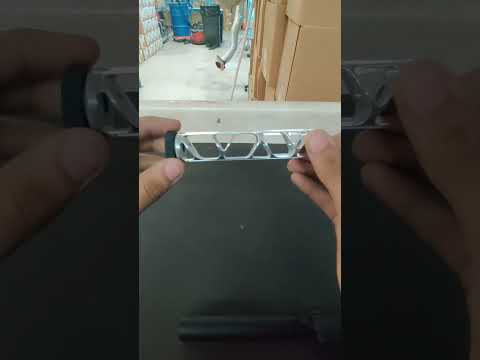
Exigent Defense w/ Evan Wilson - Shark Coast Podcast #54

Published on October 21, 2025
Duration: 108:12

This podcast episode features Evan Wilson of Exigent Defense discussing the evolution of suppressor manufacturing, focusing on the shift from traditional reductive methods to additive manufacturing (3D printing). The conversation highlights the technical advantages of additive processes, such as complex internal geometries and material versatility, leading to improved performance and innovation in suppressor design. The episode also touches on industry trends, legal challenges, and the future of suppressor technology.

Quick Summary

Additive manufacturing, particularly Direct Metal Laser Sintering (DMLS), is revolutionizing suppressor production by enabling complex internal geometries and the use of advanced materials, leading to enhanced performance and sound reduction compared to traditional reductive methods.

Chapters

  1. 00:00:00Introduction & Guest Welcome
  2. 00:01:05The Name 'Exigent Defense'
  3. 00:02:08ATF Contracts & Industry Competition
  4. 00:03:02Trademark Challenges & Naming Conventions
  5. 00:04:17Silencer Central Vanish & Naming Issues
  6. 00:05:07Kentucky as a Firearms Hub
  7. 00:07:50Suppressor Company Landscape
  8. 00:09:03Anderson Manufacturing & Ruger Acquisition
  9. 00:10:02BNT's Move to Utah & Cost Analysis
  10. 00:13:31Culture of Suppressor Enthusiasts & Reddit Bans
  11. 00:14:16Kodiak Suppressors Trademark Dispute
  12. 00:16:00Reddit Ban Evasion & Platform Toxicity
  13. 00:17:31Evolution of Suppressor Community & Tribalism
  14. 00:18:50The Peculiar Nature of Suppressor Loyalty
  15. 00:19:11Taking Suppressor Issues Personally
  16. 00:20:16Warranty Expectations & Industry Standards
  17. 00:21:52Customer Service Philosophy
  18. 00:23:37Reddit Persona vs. Customer Service Persona
  19. 00:25:51Customer Demands vs. Gun Functionality
  20. 00:28:26Customer Regulars & New Buyers
  21. 00:29:18First Suppressor Purchases & Wait Times
  22. 00:31:16The Psychology of Firearm Purchases
  23. 00:33:36Dean's Firearm Habits & Concerns
  24. 00:34:44Dean's Role in Business Operations
  25. 00:35:52Exigent Defense Ownership & Privacy
  26. 00:36:10NFA Community's Obsession with Details
  27. 00:37:03Consumerism & The American Way
  28. 00:39:31Purchasing as an Extension of Individuality
  29. 00:40:40The Dopamine Hit of Purchasing
  30. 00:41:19Dean's Dopamine Source & Gun Choices
  31. 00:42:27Regressing to Simplicity in Firearms
  32. 00:43:48The Bell Curve of Firearm Modification
  33. 00:44:31Sourcing Police Trade-In Glocks
  34. 00:45:24Market for Crime Scene & Battlefield Pickups
  35. 00:46:07Dean's House Purchase Plans
  36. 00:47:22PTP Tactical Suppressor Failure
  37. 00:48:23Wave of Suppressor Innovation
  38. 00:48:44Additive vs. Reductive Manufacturing Explained
  39. 00:52:07How Additive Suppressors Are Made
  40. 00:53:36Internal Can Geometries & Sound Tuning
  41. 00:56:11Otter Creek Suppressors: Additive vs. Reductive
  42. 00:57:21Sound Differences in Additive Suppressors
  43. 00:57:34Sourcing Engineers for Suppressor Industry
  44. 00:59:00Conclusion & Future of Suppressors

Frequently Asked Questions

What is the difference between additive and reductive suppressor manufacturing?

Reductive manufacturing involves removing material from a block (like machining bar stock), while additive manufacturing builds suppressors layer by layer, typically through 3D printing (Direct Metal Laser Sintering), allowing for complex internal designs.

What are the advantages of additive manufacturing for suppressors?

Additive manufacturing allows for intricate internal geometries, use of advanced materials like Inconel and titanium, and greater design flexibility, leading to improved sound reduction, thermal management, and unique sound signatures not possible with traditional methods.

How is additive manufacturing changing the suppressor industry?

Additive manufacturing is driving significant innovation, enabling complex designs and potentially making traditional reductive manufacturing methods obsolete within a few years due to superior performance and design capabilities.

What is Direct Metal Laser Sintering (DMLS) in suppressor manufacturing?

DMLS is a type of additive manufacturing where a laser fuses powdered metal (like titanium or Inconel) layer by layer to build a suppressor component, allowing for highly complex and precise internal structures.

Related News

All News →

More Tactical & Gear Videos You Might Like

More from Shark Coast Tactical

View all →