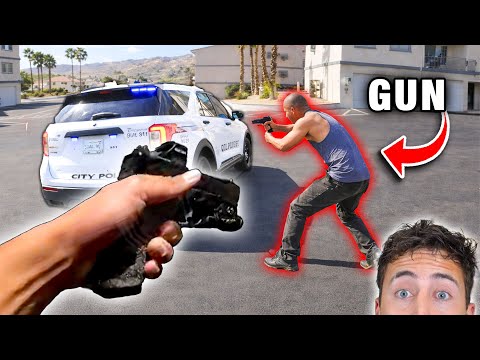
Former GREEN BERET REACTS to POLICE SHOOTING

Published on October 25, 2021
Duration: 18:15

This video features a former Green Beret reacting to an officer-involved shooting, critiquing the tactical execution of law enforcement officers. The analysis highlights deficiencies in shield tactics, movement, communication, and leadership under stress. The instructor emphasizes the importance of conditioned responses, clear SOPs, and decisive leadership to improve effectiveness in high-stress situations, drawing parallels to civilian preparedness.

Quick Summary

A former Green Beret critiques an officer-involved shooting, identifying critical tactical failures such as erratic movement, poor shield use, communication breakdowns, and lack of leadership. He emphasizes that effective tactics rely on conditioned responses, clear SOPs, and decisive leadership to manage stress and improve performance in high-stakes situations.

Chapters

  1. 00:00Initial Tactical Observations
  2. 00:31Introduction: Reviewing Officer-Involved Shooting
  3. 01:38Identifying Stress & Conditioned Responses
  4. 02:00Critique of Movement & Training Standards
  5. 02:28First Shooter vs. Second Shooter Reaction
  6. 03:05Role of the Point Man with a Shield
  7. 03:37Understanding Shield Utility and Limitations
  8. 04:02Moving in the Open with Shields
  9. 04:44Problem of Stacking Behind Shields
  10. 05:08Advantage of Gun in the Fight
  11. 05:47One-Handed Shield and Pistol Use
  12. 06:06Lack of Tactical Understanding Observed
  13. 06:12Indecisiveness and Lack of Confidence
  14. 06:28Absence of SOPs and Tactics
  15. 06:44Eyes and Physical Behavior as Indicators
  16. 07:18Problem: Hiding Behind One Shield
  17. 07:26Gun Orientation in a Gunfight
  18. 07:40Erratic Movement vs. Proactive Engagement
  19. 08:10Pace Plan: Primary & Alternate Actions
  20. 08:49Firearm Flagging and Lack of Training
  21. 09:01Advancing and Backing Up Tactics
  22. 09:25CQB: Role of the Number One Man
  23. 09:52Lack of Clear SOPs for Shields
  24. 10:00Feeding Off Other Groups & Lack of Leadership
  25. 10:23Importance of a Leader Making Calls
  26. 10:32In the Absence of Orders, Take Initiative
  27. 10:38Infantry Tactics & Small Unit Leaders
  28. 10:48Patrol Officers vs. Special Response
  29. 11:00Calming Down and Status Checks
  30. 11:17Observed Chaos and Lack of Control
  31. 11:34Lady Trying to Take Charge
  32. 11:39Hiding Behind Shield vs. Action
  33. 12:04Dumping Shields for Clarity
  34. 12:13Rule: Cannot Shield in Front of Another Shield
  35. 12:40Clarifying Shield Stacking Rules
  36. 12:49Joint Task Force Ego Issues
  37. 13:13Female Officer's Yelling in Background
  38. 13:21Officer Directing in the Open
  39. 13:40Pushing a Shield Out of the Fight
  40. 13:43Frustration of a Supervisor
  41. 13:54Officer Without a Gun in the Open
  42. 14:03Critique of Overweight Officers
  43. 14:17Violating Principles of Security
  44. 14:44Fight or Flight vs. Parasympathetic State
  45. 14:58Chicago Police Department Experience
  46. 15:13Bad Tactics Observed
  47. 15:30Bad Leadership and Stress Management
  48. 15:35Leader's Role: Bringing People Out of Red Zone
  49. 15:56Letting Officers Do Their Job
  50. 16:15Relating to Civilians: Stress Effects
  51. 16:40Degradation Under Stress & Lack of Leadership
  52. 16:58Scenario: Suspect Barricaded in Vehicle
  53. 17:17Call for Feedback and Comments
  54. 17:37Weekly Reviews: Real-World Scenarios
  55. 18:03Follow on Instagram & Website

Frequently Asked Questions

What are the primary tactical issues observed in the police shooting reaction video?

The video highlights issues like erratic 'salsa walking' movement, poor communication between officers, improper shield utilization (stacking, not engaging), and a lack of clear leadership and SOPs. These factors contribute to chaos and reduced effectiveness in a high-stress situation.

How does the instructor explain the effectiveness of shields in tactical situations?

Shields are deemed effective for static situations against barricaded suspects, providing ballistic cover. However, when an element moves in the open, relying solely on a shield without integrating offensive action and proper team movement can be a tactical disadvantage.

What is the importance of conditioned responses and SOPs in law enforcement tactics?

Conditioned responses and Standard Operating Procedures (SOPs) are crucial for making physical movements efficient and buying time. The observed lack of these leads to indecisiveness, erratic behavior, and a breakdown in team cohesion, as officers appear to be 'winging it'.

How does stress impact tactical performance according to the former Green Beret?

Stress significantly degrades performance. What might be effective on a training range can fall apart in a real-world scenario where human lives are at stake. This degradation is amplified by poor leadership and differing levels of experience among team members.

More Tactical & Gear Videos You Might Like

More from The FieldCraft Survival Channel

View all →