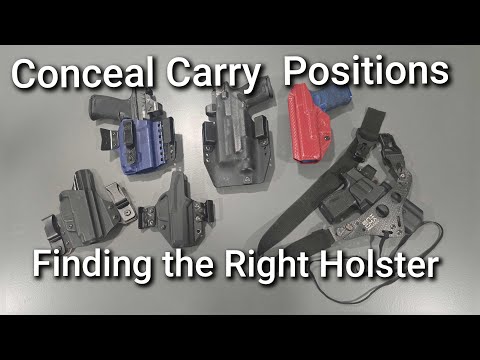
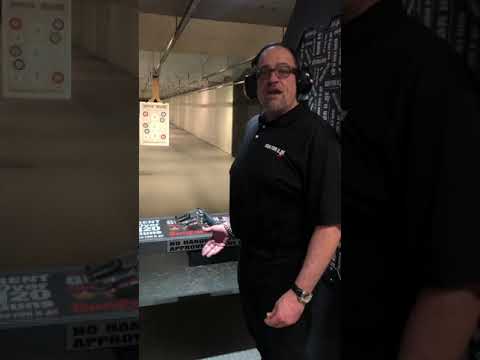
Gun For Hire's Choosing The Perfect Holster with Instructors Vlad and Wayne

Published on January 24, 2025
Duration: 33:39

Instructors Vlad and Wayne from Gun For Hire discuss critical factors in selecting a firearm holster, emphasizing functionality, safety, and concealment. They strongly advise against shoulder, ankle, and paddle holsters due to safety and practical limitations in self-defense scenarios. The discussion highlights the importance of Kydex construction for IWB holsters, secure retention for OWB, and features like claws and wedges for appendix carry. Proper holster selection is presented as crucial for efficient firearm access under stress.

Quick Summary

When choosing a holster for concealed carry, instructors advise against shoulder, ankle, and paddle holsters due to safety risks and impracticality in self-defense scenarios. Opt for Kydex IWB holsters with secure clips and adjustable ride height for optimal concealment and quick access. Appendix carry is often recommended for its accessibility.

Chapters

  1. 00:41Introduction to Holster Selection
  2. 01:50Why Shoulder Holsters Are Not Recommended
  3. 03:58Problems with Ankle Holsters
  4. 05:32Paddle Holsters: Risks and Drawbacks
  5. 06:37Serpa-Style Holsters and Stress
  6. 08:37OWB Holster Retention and Security
  7. 10:57Kydex Holsters: The Preferred Choice
  8. 11:38IWB Holster Considerations: Clips and Collapse
  9. 12:46Appendix Carry (AIWB) Advantages
  10. 13:38What to Look For in an Effective Holster
  11. 14:54Features for Concealment and Draw Speed
  12. 17:46Portation and Concealment Matters
  13. 19:05Holster Placement: Appendix vs. Other Positions
  14. 20:35Accessibility in Various Scenarios
  15. 21:49Carrying Spare Magazines
  16. 22:37Other Holster Types: Belly Bands
  17. 25:48Fanny Packs / Tactical Satchels
  18. 28:17Level 3 Retention Holsters for Security
  19. 28:56Drop Leg Holsters: Pros and Cons
  20. 31:02Battle Belts for Advanced Training
  21. 31:54Conclusion: Training is Key

Frequently Asked Questions

What are the main reasons to avoid shoulder holsters for self-defense?

Shoulder holsters are generally not recommended for self-defense because the muzzle points rearward, posing a risk to yourself and others. They also make drawing difficult during close-quarters physical altercations and can lead to sweeping fellow students or range officers.

Why are ankle holsters considered impractical for self-defense situations?

Ankle holsters are impractical because they hinder essential movement needed to evade a threat. Accessing a firearm from an ankle holster requires stopping movement and bending down, making you a static target and taking your eyes off the aggressor.

What are the primary risks associated with using paddle holsters?

Paddle holsters are easily removed from the body during physical altercations or grappling. This poses a significant risk, as an assailant could potentially grab the holster and remove the firearm from your person, leading to a dangerous fight for control of the weapon.

What features should one look for in a good Inside-the-Waistband (IWB) holster?

A good IWB holster should be made of Kydex for rigidity, preventing collapse. It needs at least two sturdy clips for stability and to minimize printing. Adjustable ride height is crucial for achieving a proper grip quickly during the draw.

Why is appendix carry (AIWB) often considered the most accessible carry position?

Appendix carry is often favored because it provides the most direct and quickest access to the firearm, even in confined spaces like vehicles or during ground fighting. It allows for a natural draw motion and can be more easily defended.

Related News

All News →

More Tactical & Gear Videos You Might Like

More from Gun For Hire Range

View all →