Heads Up Security Stops Dispensary Robbery | Active Self Protection

Published on October 29, 2018
Duration: 5:14

This guide details a defensive technique for disarming an attacker armed with a shotgun, as analyzed by John Correia of Active Self Protection. It emphasizes immediate engagement, weapon control, and de-escalation, highlighting the '5Ds + 1' strategy. The analysis also touches upon the legal considerations of using force, with input from Terry Johnson of Firearms Legal Protection.

Quick Summary

In a dispensary robbery, security guards successfully disarmed an attacker by applying the '5Ds + 1' self-defense strategy. The analysis by Active Self Protection emphasizes distinguishing between 'Can I shoot?' and 'Must I shoot?', noting that disarming is often preferable to shooting due to legal and emotional reasons.

Chapters

  1. 00:00Introduction: When to Shoot
  2. 00:07Dry Fire Training with Mantis X
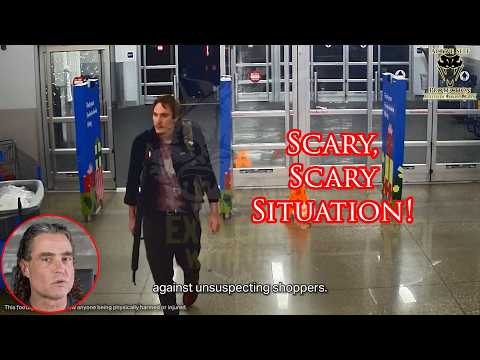
  3. 00:19Dispensary Robbery Analysis
  4. 00:34Robbery Attempt & Initial Response
  5. 00:50Second Guard Intervenes & Disarms
  6. 01:05Analysis Framework & Dangerous Work
  7. 01:32Threat Assessment: Concealed Shotgun
  8. 01:54Applying the 5Ds + 1 Strategy
  9. 02:35Can vs. Must: When to Use Firearm
  10. 03:17Successful Disarming & De-escalation
  11. 03:45Legal Aspects: Castle Doctrine (CA)
  12. 03:59Expert Legal Analysis: Protecting Others
  13. 04:34Accessing More Legal Information
  14. 04:44Conclusion: Effective Security

Frequently Asked Questions

How did the security guards stop the dispensary robbery?

The first security guard engaged the robber, grappling for the shotgun. The second guard arrived and pressed his pistol muzzle against the robber's head, causing him to surrender the weapon and flee. This demonstrated effective threat assessment and rapid response.

What self-defense strategy was applied in the dispensary robbery incident?

The security guards effectively applied the '5Ds + 1' self-defense strategy. This involved recognizing the threat, controlling distance, deflecting the weapon, dominating the situation, distracting the attacker, and ultimately disarming him.

When should you use a firearm for self-defense?

According to Active Self Protection, the decision to use a firearm involves distinguishing between 'Can I shoot?' and 'Must I shoot?'. Shooting should only occur when absolutely necessary to prevent imminent death or great bodily harm.

What are the legal considerations when using force to protect others?

Terry Johnson of Firearms Legal Protection explains that the person being protected must be in imminent fear of death or great bodily harm. Using force does not automatically absolve the defender of potential criminal or civil liabilities.

Related News

All News →

More Tactical & Gear Videos You Might Like

More from Active Self Protection

View all →