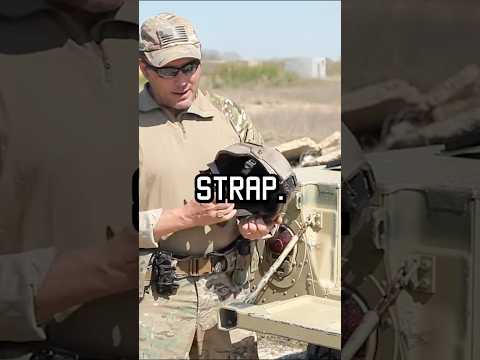
Helmets and plate carriers, things to consider. (Also we're teaching Pistol1 in TX soon)

Published on March 16, 2018
Duration: 27:04

This guide details how to optimize the fit and function of helmets and plate carriers for improved comfort and performance. It covers adjusting helmet straps for accessory weight, strategic placement of gear to avoid interference with weapon manipulation, and proper sizing of plate carriers to ensure vital organ coverage and mobility. The instructor emphasizes the importance of quality gear and a secure fit to prevent injury and enhance operational effectiveness.

Quick Summary

Properly fitting a helmet and plate carrier is crucial for comfort and effectiveness. Adjust helmet straps to support accessory weight and ensure snugness without discomfort. For plate carriers, keep the dominant hand side clear, position gear for easy access, and ensure plates cover vital organs from collarbone to diaphragm. A secure, second-skin fit prevents sagging and maximizes mobility.

Chapters

  1. 00:47Introduction: Helmets and Body Armor
  2. 01:25Helmet Fit and Adjustment
  3. 02:52Night Vision and Helmet Weight
  4. 03:46Helmet Fit in Prone Position
  5. 04:06Adjustable Helmet Straps
  6. 05:14Helmet Pad Setup for Comfort
  7. 06:39Helmet Heat Management
  8. 07:04Purpose of Specific Pad Placement
  9. 08:53Plate Carrier Setup Philosophy
  10. 09:14Gear Placement: Dominant Hand Side
  11. 09:59Auxiliary Gear and Primary Focus
  12. 10:39Comms and Wire Management
  13. 11:15Pouch Configuration: Rifle vs. Pistol
  14. 11:55Multi-tool and Flashlight Pouches
  15. 12:41IFAK Placement and Accessibility
  16. 13:49Plate Carrier Sizing Principles
  17. 14:48Plate Carrier Cost and Quality
  18. 15:12Ballistic Plate Recommendations (Level IV)
  19. 16:30Sizing the Plate Carrier to Your Body
  20. 17:58Mounting and Adjusting the Plate Carrier
  21. 19:09Importance of Secure Plate Fit
  22. 20:09Donning the Plate Carrier: Right Side First
  23. 21:08Alternatives to Cummerbunds
  24. 22:21Training with Body Armor
  25. 23:06Final Thoughts on Carrier Setup
  26. 24:07Upcoming Training Classes
  27. 25:03Support and Patreon
  28. 26:18Community and Discussion

Frequently Asked Questions

How should I adjust my helmet for accessories like night vision?

To properly support the weight of accessories like night vision, tighten the rear straps of your helmet. This helps to yank the helmet back slightly, distributing the weight and preventing it from sagging forward, which reduces the need for constant adjustment throughout use.

What is the proper placement for gear on a plate carrier?

On a plate carrier, keep the dominant weapon-hand side as clear as possible to avoid obstructing your sidearm draw. Position primary gear like rifle magazines towards the dominant side for quick access and to prevent diaphragm pressure in the prone position. Route auxiliary gear like comms wires to the off-hand side.

How do I ensure my plate carrier is sized correctly?

The top edge of your ballistic plate should align with your collarbone, and the bottom edge should cover your vital organs down to your diaphragm. The carrier should fit snugly like a second skin, ensuring the weight is distributed evenly and doesn't sag, which is crucial for mobility and impact absorption.

Why is it important to have a secure fit for my plate carrier and plates?

A secure fit is vital because it ensures the plates effectively absorb impact forces without adding to the trauma. If plates are loose, they can sag, causing discomfort and potentially shifting during an impact, which could lead to additional injury or broken bones.

What kind of ballistic plates are recommended?

The instructor strongly recommends Level IV ballistic plates. They explain that while Level III might stop some threats, modern ammunition, especially armor-piercing rounds, can defeat Level III. Level IV offers superior protection against a wider range of threats.

Related News

All News →

More Tactical & Gear Videos You Might Like

More from Regular Guy Training LLC

View all →