How tough is a bowling ball?

Published on December 12, 2018
Duration: 3:57

This video demonstrates the impact of a .50 BMG armor-piercing incendiary tracer round on a bowling ball. The test utilizes a Crickett BFG 50A rifle. The bowling ball, when struck, cracked open, revealing its internal composition, but the bullet did not appear to fully penetrate. The test highlights the durability of bowling ball materials against high-caliber rifle rounds.

Quick Summary

A .50 BMG armor-piercing incendiary tracer round was fired from a Crickett BFG 50A at a bowling ball. The impact caused the bowling ball to crack open, revealing its hard internal composition, but the round did not appear to fully penetrate the ball.

Chapters

  1. 00:00Introduction: Shooting a Bowling Ball
  2. 00:38Ammunition and Rifle Setup
  3. 00:44Introducing the Crickett BFG 50A
  4. 01:09The Shot: .50 BMG Impact
  5. 01:34Immediate Aftermath and Observation
  6. 01:46Analysis of the Impact Zone
  7. 02:00Round Two Preparation
  8. 02:38Examining the Bowling Ball After Impact
  9. 02:50Inside the Bowling Ball: Material Analysis
  10. 03:12Conclusion: Bowling Ball Durability
  11. 03:30Outro and Call to Action

Frequently Asked Questions

What happens when a .50 BMG round hits a bowling ball?

When a .50 BMG armor-piercing incendiary tracer round impacts a bowling ball, the ball typically cracks open. While the outer shell is breached and the internal material is exposed, the heavy-caliber round may not always achieve full penetration through the entire ball.

What rifle was used to shoot the bowling ball?

The rifle used in this test was a Crickett BFG 50A. This firearm is chambered in .50 BMG, making it capable of firing the powerful armor-piercing incendiary tracer ammunition used in the demonstration.

Is a bowling ball durable against high-caliber rifle fire?

Bowling balls are surprisingly durable against high-caliber rifle fire like a .50 BMG round. While the impact will cause the ball to crack and break apart, the dense internal materials often resist complete penetration, demonstrating a significant level of toughness.

What type of .50 BMG ammunition was used?

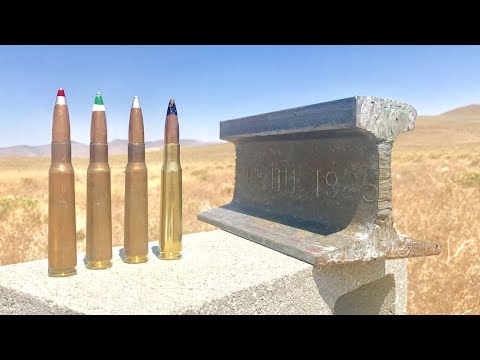
The .50 BMG ammunition fired at the bowling ball was an armor-piercing incendiary tracer (API). This type of round is designed to penetrate hardened targets and ignite upon impact, though its effectiveness against a bowling ball primarily results in structural damage.

More Tactical & Gear Videos You Might Like

More from Edwin Sarkissian

View all →