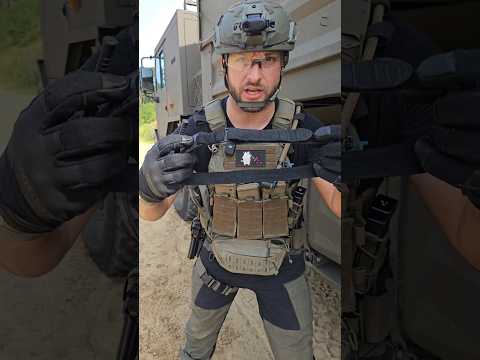
I Rebuilt My Med Kit — What I Keep, What I Toss, and Why It Matters (Navy SEAL Explains)

Published on October 21, 2025
Duration: 20:56

This video provides essential guidance on building and preparing an emergency trauma kit, emphasizing the critical importance of immediate access to life-saving equipment. The speaker, drawing on experience, details how to select and organize gear, focusing on rapid deployment for severe bleeding. Key takeaways include the necessity of prepped tourniquets, sufficient gauze, and specialized items like chest seals and decompression needles for critical trauma situations.


Quick Summary

The most critical element of a trauma med kit is immediate accessibility and proper preparation of life-saving equipment, particularly tourniquets for severe bleeding. The ability to deploy these items within 90 seconds is paramount due to the rapid onset of shock and potential for fatal blood loss.

Frequently Asked Questions

What is the most critical element of a trauma med kit?

The most critical element of a trauma med kit is immediate accessibility and proper preparation of life-saving equipment, particularly tourniquets for severe bleeding. The ability to deploy these items within 90 seconds is paramount due to the rapid onset of shock and potential for fatal blood loss.

How should a tourniquet be prepared for quick use?

A tourniquet should be removed from its packaging, folded for easy storage, and have its pull tab readily accessible. The windlass cover should be left open to allow for rapid tightening with one hand, ensuring it can be applied effectively under stress.

Why is having enough gauze important in a trauma kit?

Severe wounds, such as bullet holes, can require a significant amount of gauze for effective packing and bleeding control. Standard med kits often provide insufficient quantities, making it essential to carry extra gauze, especially hemostatic varieties like Quick Clot.

What is the purpose of a chest seal in a trauma kit?

A chest seal is used to treat penetrating chest trauma, preventing air from entering the pleural space. This stops the lung from collapsing due to a 'sucking chest wound,' which can lead to suffocation even if bleeding is controlled.

More Tactical & Gear Videos You Might Like

More from USCCA

View all →