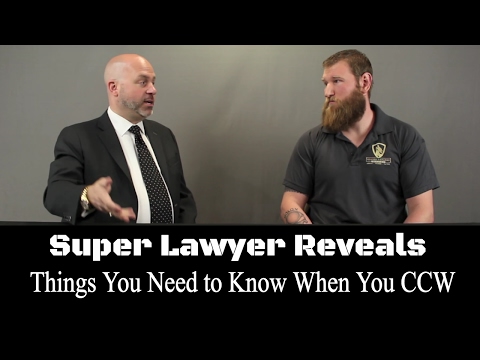
Kim Explains Concealed Carry Positions: How To Carry And Why

Published on February 14, 2018
Duration: 19:11

This guide from Geauga Firearms Academy, presented by Kim, details various concealed carry positions and holster types, emphasizing the importance of proper fit, adjustment, and consistency. Key considerations include appendix, 4 o'clock, and 7 o'clock carry positions, with specific holster designs like pancake and hybrid styles discussed. The instruction highlights how to adjust ride height and cant for optimal comfort and concealment, while also warning against unsafe holster designs and stressing the critical need for consistent daily carry for effective self-defense.

Quick Summary

The most common concealed carry positions are appendix carry (front of the waistband) and the 4 o'clock position (right hip) or 7 o'clock position (left hip). Proper holster adjustment, including ride height and cant, is essential for comfort and concealment. Consistency in daily carry is vital for reliable access in stressful situations.

Chapters

  1. 00:00Introduction to CCW and Holsters
  2. 00:38Common Carry Positions: Appendix & 4/7 O'Clock
  3. 00:50Holster Styles: Pancake vs. Appendix
  4. 01:27Impact of Gun Size on Carry
  5. 01:43Climate and Clothing Considerations
  6. 02:13Personal Comfort: Ride Height
  7. 03:12Personal Comfort: Cant Adjustment
  8. 04:05Discouraged Carry Positions: Small of Back, Off-Body
  9. 04:53Other Carry Methods: Ankle, Zip Pocket, Shoulder
  10. 06:10Importance of Consistent Carry
  11. 06:37IWB vs. OWB Holsters Explained
  12. 06:53Full Kydex Holsters: Pancake Style
  13. 07:59Holster Attachment Methods: Clips vs. Loops
  14. 08:49Hybrid Holsters for Comfort
  15. 10:01Holster Attachment Options: Loops, Pull-the-Dots, Ulti-Clips
  16. 11:52Blackhawk Omnivore: Security vs. Concealment
  17. 12:24Dangerous Holster Types to Avoid (ETA)
  18. 12:54Appendix Holsters: Vetter & Bravo Do S
  19. 13:21Demonstration: Wearing an IWB Holster
  20. 13:35Demonstration: Wearing an OWB Holster
  21. 14:05Holster Options for Women: Belly Bands
  22. 14:58Holster Options for Women: Specialized Shorts
  23. 17:25Holster Options for Women: Yoga Pants
  24. 18:03Recap and Conclusion

Frequently Asked Questions

What are the most common concealed carry positions?

The most common concealed carry positions are appendix carry (front of the waistband) and the 4 o'clock position (right hip) or 7 o'clock position (left hip) for those who are left-handed. These positions offer different advantages for concealment and accessibility.

How do I adjust my holster for better concealment and comfort?

You can adjust your holster for better concealment and comfort by modifying its ride height (how high or low it sits) and cant (the angle of the firearm). Experimenting with these adjustments, often made via screws or attachment points, is key to finding what works best for your body and clothing.

What are the main differences between pancake and appendix holsters?

Pancake-style holsters are typically wider and designed for 4 or 7 o'clock carry positions, offering more surface area for comfort. Appendix holsters are generally thinner with a single attachment point, making them ideal for the front of the waistband to minimize bulk and printing.

Why is consistent daily carry important for concealed carry?

Consistent daily carry is crucial because it builds muscle memory. In a stressful situation, you'll instinctively go to the position where you always carry your firearm, ensuring faster and more reliable access rather than having to think about where your gun is today.

Related News

All News →

More Tactical & Gear Videos You Might Like

More from Geauga Firearms Academy

View all →