Managing Recoil with a Muzzle Brake | LRU

Published on August 18, 2024
Duration: 4:42

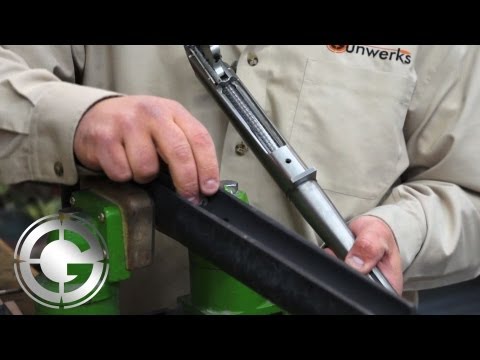
This video demonstrates how to manage firearm recoil using a Gunwerks indexing directional muzzle brake. It highlights that recoil has both vertical and horizontal components, with the latter often being more detrimental to target reacquisition. The instructor explains and shows the process of indexing the muzzle brake to time the gas ports, aiming to direct recoil straight rearward. This allows hunters and shooters to reacquire targets faster, especially at LRU (Long Range Unknown) distances where spotting one's own shots is crucial. The video emphasizes that individual body mechanics and rifle characteristics necessitate customizing the brake's timing.

Quick Summary

Muzzle brakes manage both vertical and horizontal recoil. Indexing directional brakes allow precise timing by directing gas ports to counteract horizontal movement, aiming for straight rearward recoil. This is vital for hunters needing to reacquire targets quickly, as individual mechanics and rifle caliber necessitate custom timing for optimal performance.

Chapters

  1. 00:09Introduction to Muzzle Brakes and Recoil
  2. 00:14Vertical vs. Horizontal Recoil Components
  3. 00:30Importance of Target Reacquisition for Hunters
  4. 00:55Demonstration: Recoil Without Muzzle Brake
  5. 01:51Observed Horizontal Recoil (No Brake)
  6. 02:04Introducing the Gunwerks Indexing Muzzle Brake
  7. 02:20Indexing the Muzzle Brake
  8. 02:34How Muzzle Brake Ports Work
  9. 03:00Timing the Brake for Straight Rearward Recoil
  10. 03:25Demonstration: Recoil With Muzzle Brake
  11. 03:35Factors Affecting Recoil (Shooter, Caliber)
  12. 03:53Customizing Brake Timing for Individual Needs
  13. 04:08Benefits of Directional Muzzle Brakes
  14. 04:24Final Advice: Range Testing and Customization

Frequently Asked Questions

What are the main components of firearm recoil that a muzzle brake addresses?

Firearm recoil has two main components: vertical (muzzle jump) and horizontal (left-right movement). While vertical recoil is often considered, the horizontal component can significantly impact target reacquisition, making it harder to get back on target quickly.

How does an indexing directional muzzle brake work to manage recoil?

An indexing directional muzzle brake allows for precise adjustment of its timing. By rotating the brake, shooters can direct the propellant gases exiting the ports to counteract the natural horizontal recoil, aiming to make the rifle recoil straight to the rear.

Why is it important to customize the timing of a muzzle brake?

The optimal timing for a muzzle brake is not universal. It depends on individual shooting fundamentals, body mechanics, the specific rifle's caliber, and how the shooter holds the firearm. Customizing the timing ensures the brake effectively mitigates recoil for that specific shooter and setup.

What is the primary benefit of using a muzzle brake for hunters?

For hunters, especially at longer ranges, a muzzle brake is crucial for rapid target reacquisition. It helps keep the rifle's sights on or near the target after firing, allowing the hunter to assess the hit, follow up with a second shot if necessary, or track the animal's movement.

More Tactical & Gear Videos You Might Like

More from Gunwerks

View all →