Metal Gear Nods: The PVS-7

Published on May 9, 2025
Duration: 24:04

This video provides an in-depth review of the AGM PVS-7 night vision goggles, detailing their history, technical specifications, and practical application in shooting scenarios. The presenter, an experienced firearms instructor, highlights the PVS-7's suitability for retro builds and its advantages for dual-eye viewing compared to monocular systems like the PVS-14. The review also touches upon its performance in low-light shooting and compares it to other night vision devices and lasers.

Quick Summary

The AGM PVS-7 night vision goggle, a Gen 3 white phosphor unit, boasts a rich history with the US military, serving from the mid-1980s through the early 2000s. Its key advantage over monocular systems like the PVS-14 is its dual-eye viewing, which enhances navigation and reduces disorientation, though it is slightly heavier.

Chapters

  1. 00:47Intro & Giveaway
  2. 01:48PVS-7 History & Development
  3. 03:56PVS-7 Features & Specs
  4. 04:34PVS-7 Pros & Cons
  5. 06:26Who is the PVS-7 For?
  6. 07:20Firearms & Gear for Night Shooting
  7. 10:07Night Shooting with PVS-7
  8. 13:36Passive Aiming with PVS-7
  9. 15:47300 Blackout Shooting
  10. 18:02Laser Comparison (SMS vs Holosun)
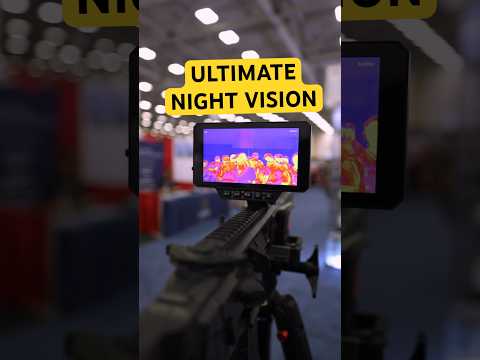
  11. 19:10Binoc NVG50 Digital NV Review
  12. 21:20Final Thoughts & Giveaway Reminder

Frequently Asked Questions

What is the history of the PVS-7 night vision goggle?

The PVS-7 was developed by ITT Corporation for the US Army in the mid-1980s to replace the PVS-5. It became widely issued to US troops through the late 80s and early 90s, serving in conflicts like Operation Desert Storm and the Global War on Terror.

What are the advantages of the PVS-7 compared to a PVS-14?

The PVS-7's primary advantage is its dual-eye viewing, which can be less disorienting for navigation and general observation compared to the monocular PVS-14. This setup uses one tube but splits the image for both eyes.

How does the PVS-7 perform for shooting?

The PVS-7 is capable for night shooting, especially with lasers for aiming. While passive aiming is possible, it's more challenging than with dual-tube systems. The dual-eye view is beneficial for general movement and observation during shooting activities.

What is the SMS Laser HFXC and how does it compare to other lasers?

The SMS Laser HFXC is a $250 laser and illuminator that performs very well for its price, outshining the more expensive Holosun LS321 in brightness and illuminator focus. It's considered a great budget option for night vision use.

Is digital night vision comparable to analog night vision like the PVS-7?

While digital night vision, like the Binoc NVG50, is improving, it generally does not yet match the performance of analog systems like the PVS-7, especially in very low light conditions. However, digital units are becoming more affordable and capable for specific applications like filming.

Related News

All News →

More Tactical & Gear Videos You Might Like

More from PSR

View all →