Negligent Discharges: Holstering

Published on May 28, 2012
Duration: 4:37

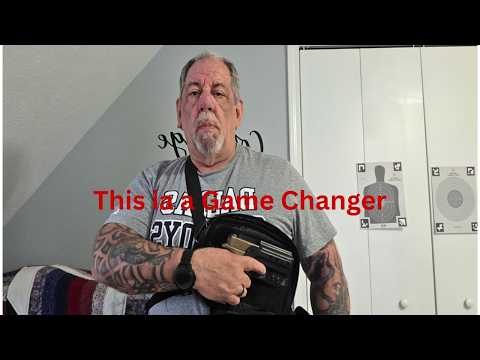
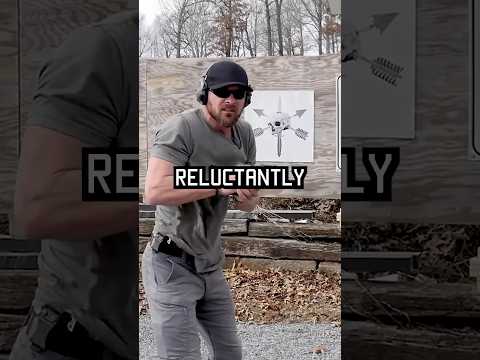
This video emphasizes that the most dangerous times for a negligent discharge are during the removal and re-holstering of a firearm. The instructor advocates for holsters that can be easily removed with the firearm still inside, rather than holsters designed for quick re-holstering. This technique minimizes trigger exposure and the risk of accidental discharge caused by fabric or foreign objects interfering with the trigger mechanism.

Quick Summary

The most dangerous times for a negligent discharge with a holstered firearm are during removal and re-holstering. To enhance safety, especially when frequently disarming, opt for holsters that detach easily with the firearm secured. This prevents accidental discharges caused by fabric or foreign objects interfering with the trigger during re-holstering.

Chapters

  1. 00:04Introduction: Holster Re-holstering Concerns
  2. 00:42The Danger of Re-holstering
  3. 01:13Causes of Re-holstering Negligent Discharges
  4. 01:46The Safest Holster Approach
  5. 02:36Demonstration: Safe Removal and Storage
  6. 03:25Choosing Holsters for Easy Removal
  7. 04:16Conclusion: Prioritizing Safety

Frequently Asked Questions

What are the most dangerous times when handling a holstered firearm?

The most dangerous times for a negligent discharge with a holstered firearm are when you are removing it from the holster and, especially, when you are re-holstering it. These actions require careful attention to prevent accidental firing.

Why is quick re-holstering a potential safety hazard?

Quick re-holstering is a hazard because it increases the chance of fabric, debris, or your finger getting caught in the trigger guard. This can lead to an unintentional discharge as the trigger is pressed against the obstruction within the holster.

What type of holster is recommended for frequent firearm removal?

For individuals who frequently need to remove their firearm (e.g., entering no-carry zones), holsters that allow for easy and quick removal of the entire unit with the firearm still secured are recommended. This avoids the risky re-holstering process.

How can I safely store my firearm when entering a restricted area?

When entering a restricted area, safely remove the entire holster with your firearm still in it. Store this unit in a secure location such as your vehicle's glove box, trunk, or a personal safe, rather than attempting to re-holster.

Related News

All News →

More Tactical & Gear Videos You Might Like

More from TheYankeeMarshal

View all →