Night Vision Helmet Setup | PVS 14 & iRay MH25

Published on November 6, 2021
Duration: 17:42

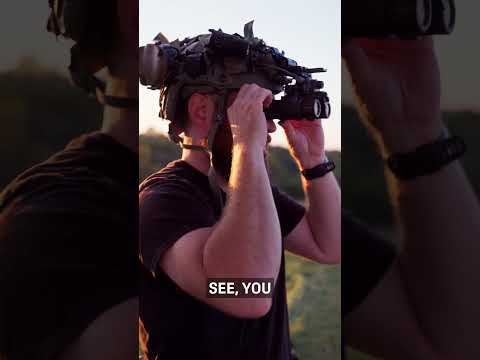
This video details a specific night vision and thermal helmet setup, combining a PVS-14 with an iRay MH25 thermal monocular using a Pano Bridge. The presenter, from KeystoneCarry, explains the rationale behind this hybrid approach for enhanced situational awareness and target identification in low-light conditions. The setup prioritizes the ability to use night vision for navigation and laser engagement while leveraging thermal for immediate heat signature detection, offering a comprehensive solution for tactical applications.


Quick Summary

This night vision helmet setup combines a PVS-14 with an iRay MH25 thermal monocular using a Pano Bridge. It offers dual-spectrum situational awareness, allowing for navigation with NVG and immediate heat signature detection with thermal, ideal for tactical applications in low-light conditions.

Chapters

  1. 00:00Introduction to Night Vision & Thermal
  2. 01:00KeystoneCarry as Optics Dealer
  3. 01:29Disclosure: Purchased Gear
  4. 02:25Helmet Setup Overview
  5. 02:44iRay MH25 Thermal Monocular
  6. 02:50PVS-14 Night Vision Monocular
  7. 03:07Pano Bridge Mount
  8. 03:12Purpose of the Hybrid Setup
  9. 04:19Limitations of Thermal Optics
  10. 04:44Pano Bridge Functionality
  11. 05:49MH25 Eyepiece Modification
  12. 06:11PVS-14 Tube Specs
  13. 07:06Pano Bridge Mechanics
  14. 08:13Why This Setup?
  15. 09:33Cost & Pros/Cons
  16. 10:59Cons of the Setup
  17. 11:53Pano Bridge Downsides
  18. 13:01Using NVG and Thermal Simultaneously
  19. 14:01MH25 Battery Life Issues
  20. 15:09Overall Satisfaction
  21. 15:25Camouflage vs. Thermal Detection
  22. 16:21Conclusion & Future Content

Frequently Asked Questions

What is the primary advantage of combining night vision and thermal optics on a helmet?

Combining night vision (like a PVS-14) with thermal (like an iRay MH25) on a helmet offers dual-spectrum situational awareness. Night vision allows for navigation and laser engagement, while thermal provides immediate detection of heat signatures, identifying targets that might be camouflaged to the naked eye or NVG.

What are the key components of this specific night vision helmet setup?

This setup features a Team Wendy bump helmet, a L3Harris PVS-14 with a Photonis Echo white phosphor tube, an iRay MH25 thermal monocular, and a Pano Bridge mount to connect the two optics. An external battery pack is also used to supplement the MH25's battery life.

What are the limitations of the Pano Bridge mount for this setup?

The Pano Bridge, while functional, has limited adjustability and spacing, especially when bridging a thermal and a PVS-14. It was originally designed for dual PVS-14 setups and may not offer optimal alignment for hybrid configurations.

How does the iRay MH25 thermal monocular perform compared to other thermal units?

The iRay MH25 is highlighted for its 640x480 core, providing superior image clarity over 320-core thermals. It also offers a desirable 1x base magnification, making it suitable for helmet mounting where a wide field of view is crucial for real-time observation.

More Tactical & Gear Videos You Might Like

More from KeystoneCarry

View all →