Pennsylvania Shop Owner In Recovery After Harrowing Altercation

Published on May 18, 2019
Duration: 5:54

This guide, based on an analysis by John Correia of Active Self Protection, outlines critical defensive lessons derived from a real-world incident. It emphasizes the importance of proper firearm holstering with positive retention, prioritizing de-escalation and evasion, and the necessity of medical preparedness for armed citizens. The analysis highlights the severe risks associated with improper firearm carriage and the legal ramifications of escalating a confrontation.

Quick Summary

Active Self Protection's analysis of a Pennsylvania self-defense incident stresses three key lessons: secure firearm holstering with positive retention, prioritizing de-escalation and evasion, and essential first aid preparedness. The analysis warns that initiating physical contact can escalate a situation legally and tactically, emphasizing the need for restraint when armed.

Chapters

  1. 00:00Introduction and Incident Overview
  2. 00:30Sponsor: Newbold Targets
  3. 00:48Incident Breakdown
  4. 01:27Key Defensive Lessons
  5. 02:00De-escalation and Legal Risks
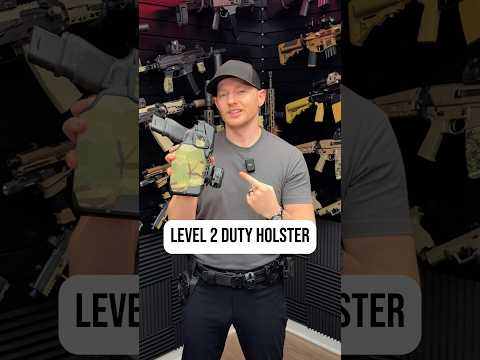
  6. 04:07Holster Requirements and Retention
  7. 05:00First Aid and Medical Preparedness

Frequently Asked Questions

What are the key lessons from the Upper Darby self-defense incident analyzed by Active Self Protection?

The incident highlights three crucial lessons: the necessity of proper firearm holstering with positive retention, the importance of de-escalation and evasion tactics, and the critical need for first aid preparedness. It also warns against initiating physical contact, which can escalate a situation legally and tactically.

Why is proper firearm holstering so important in a self-defense scenario?

Proper holstering with positive retention ensures your firearm stays securely on your person during physical altercations, preventing it from being lost or used against you. Carrying a firearm loosely in a pocket is a significant risk that can have dire consequences.

What are the risks of escalating a confrontation when carrying a firearm?

Initiating physical contact, even if provoked, can be legally considered assault and escalates a situation into a potentially deadly encounter. Carrying a firearm requires a higher degree of restraint to avoid such outcomes and manage the legal ramifications.

What medical preparedness is recommended for armed citizens?

If you carry a firearm, you must also carry medical gear and possess the skills to use it. 'Stop the Bleed' training is recommended to effectively manage traumatic bleeding in critical situations.

Related News

All News →

More Tactical & Gear Videos You Might Like

More from Active Self Protection

View all →