This technique, option two for a technical stand-up from a supine position, emphasizes hip strength and athleticism. It involves raising up on the hip while bringing a leg through to sit up, keeping both hands on the firearm. The instructor stresses the importance of practicing this move due to its demanding nature and the need for core and hip mobility, warning against muzzling oneself during the maneuver.
This video demonstrates the challenges of drawing a firearm from a holster during a close-quarters confrontation, highlighting how a new holster can increase draw time. The speaker emphasizes the importance of training to overcome these delays, even when facing an assailant who has already engaged.
This video demonstrates techniques for defending against an attacker who grabs your pistol. Key strategies include using your non-dominant arm for control, employing a push-and-pull motion with the weapon, and targeting vulnerable areas like the nose for incapacitation. For two-handed grabs, leverage is gained by using a foot strike before pulling the weapon free. The importance of a tap-rack drill after a potential malfunction is also highlighted.
This video emphasizes the importance of 'greedy eyes' in dynamic shooting. The instructor advises against bringing the firearm down between shots, advocating for continuous visual acquisition and driving vision through the intended target area. The goal is to maintain a consistent shooting platform and flow through multiple positions without unnecessary gun manipulation.
This episode of Arfcom News discusses legal developments in Minnesota regarding a potential win against a binary trigger ban in the Caucus v. Walls case. It also covers confirmed door-to-door confiscation plans in Canada, involving off-duty or retired RCMP officers. Finally, it delves into the debate surrounding appendix carry for concealed firearms, emphasizing personal comfort, risk assessment, and training.
This video demonstrates crucial techniques for retaining your firearm when an assailant attempts to grab it. It details the 'Elbow Pin' for stopping a gun grab and the 'Elbow Destruction' for dislodging a compromised weapon. The instructor emphasizes integrating the gun with your body and hip for maximum retention, applicable to both appendix and strong-side hip carry positions.
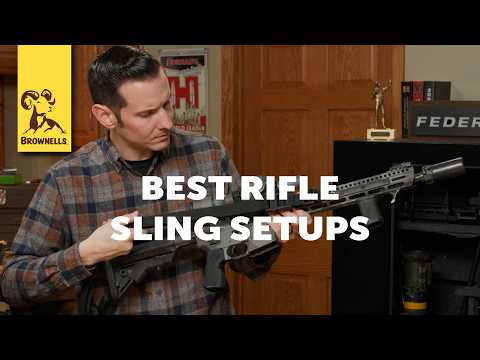
This guide details how to properly adjust a Magpul MS4 sling for optimal fit and function, emphasizing situational dependency and personal comfort. It covers converting between two-point and single-point configurations and provides specific steps for fine-tuning the sling's length and attachment points for various scenarios, including use with plate carriers. The instruction highlights the importance of comfortable firearm presentation and the ability to transition the rifle to the back.
This guide, presented by an experienced instructor, emphasizes building a reliable firearm draw that functions under pressure. It details techniques for clearing various cover garments for both hip and AIWB (Appendix Inside the Waistband) carry, stressing the importance of a consistent grip and smooth execution over pure speed. The instruction also covers dealing with potential snags and malfunctions during the draw.
This video demonstrates a critical self-defense technique employed during an active shooter event at the Dennis M. Lynch Arena. The individual heard 'pop pop' sounds, identified a gun, and immediately instructed his wife and friends to flee. He then engaged the assailant, grabbing the firearm with his left hand and using his body to cover the weapon, preventing the trigger from being pulled even when his hand got caught in the chamber. The narrative highlights the importance of situational awareness, quick decision-making, and physical intervention to neutralize a deadly threat.
Instructor Mike details his former police duty belt setup, emphasizing strategic placement of essential gear for efficient and safe deployment. He highlights the importance of holster retention, natural magazine indexing, inward-facing handcuffs for rapid application, and support-side taser and baton carry to maintain firearm access. The guide stresses avoiding the small of the back for equipment and using belt keepers for gear security.
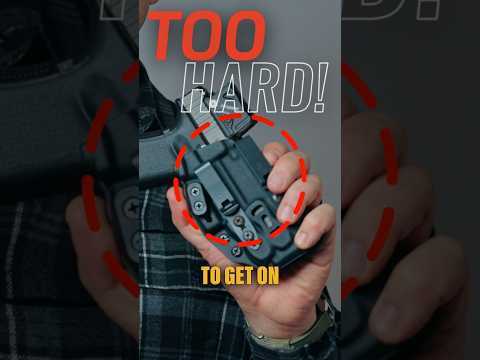
This guide details the proper technique for installing and removing a holster equipped with Discrete Carry Concepts (DCC) clips, as demonstrated by a Tenicor representative. The method emphasizes using mechanical leverage with the heel of the hand as a pivot point, rather than brute force, to overcome the clips' high clamping force. This technique ensures secure retention while allowing for efficient on and off-body transitions.
Instructor Mike, a professional firearms instructor with experience in correctional facilities, emphasizes the critical importance of secure holsters. He highlights how easily standard holsters can be compromised and demonstrates the benefits of a Level 2 retention holster, like the Gun & Flower Universal Holster, which requires an index finger release. This type of holster is compatible with over 100 handgun models and offers adjustable retention blocks for a precise fit, significantly enhancing firearm security against unauthorized access.
Gun Laws by State
Read firearms regulations for all 50 states + D.C.
Find Gun Dealers
Search licensed FFL dealers near you.