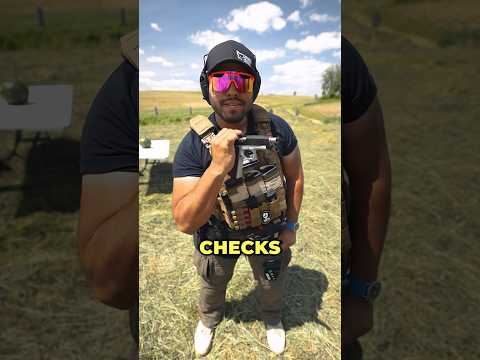
POV You Forgot To Throw The Grenade

Published on April 21, 2024
Duration: 0:17

This guide demonstrates the fundamental safety mechanism of a grenade, specifically the M67 style. It highlights that the grenade will not detonate as long as the safety lever (spoon) is held in place, even after the pin is removed. The demonstration emphasizes proper grip and the function of the safety lever, reinforcing safe handling practices for training aids.


Quick Summary

The M67 style grenade's safety mechanism relies on the safety lever (spoon). Even after pulling the pin, the grenade will not detonate as long as the spoon is held firmly in place. Releasing the spoon allows the internal striker to engage the fuse, initiating the delay before detonation.

Chapters

  1. 00:00Viewer Question Addressed
  2. 00:05Grenade Pin Pull Demonstration
  3. 00:10Safety Lever Function Explained

Frequently Asked Questions

What happens if you pull a grenade pin but don't throw it?

If you pull the pin on a grenade but continue to hold the safety lever (spoon) firmly, it will not detonate. The spoon must be released for the firing mechanism to engage and start the fuse timer.

How does a grenade's safety mechanism work?

Grenades typically have a safety pin and a lever (spoon). Pulling the pin arms the grenade, but the spoon holds back the striker. Only when the spoon is released does the striker hit the primer, initiating the fuse.

What is the 'spoon' on a grenade?

The 'spoon' refers to the safety lever on a grenade. It's a spring-loaded component that covers the striker mechanism. As long as the spoon is held in place, the grenade is safe; releasing it initiates the detonation sequence.

Is it safe to handle training grenades?

Yes, training grenades are designed for safe handling and demonstration. However, always follow proper safety protocols, maintain a firm grip on the safety lever after pulling the pin, and use them in appropriate environments.

More Tactical & Gear Videos You Might Like

More from Johnny Q

View all →