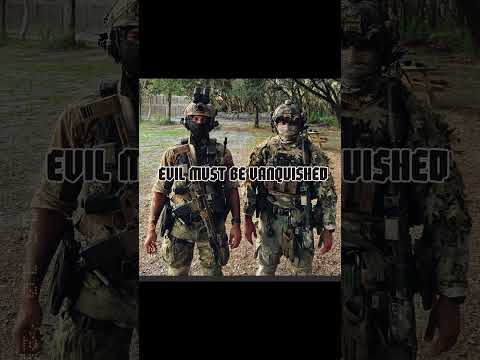
Prep for Night Combat: Pre-Combat Checks for Nighttime Operations

Published on August 9, 2024
Duration: 28:37

This guide details deliberate pre-combat checks for nighttime operations, emphasizing thorough inspection of night vision devices, helmet setup, weapon systems, and essential accessories. It covers functional checks for all equipment, battery management, and proper focus techniques for NVGs. The video also touches on hasty preparation methods for rapid deployment.

Quick Summary

For night combat preparation, conduct deliberate pre-combat checks starting with night vision goggles, inspecting for physical damage and ensuring all mechanical parts and battery compartments are functional. Secure NVGs by tying them down to prevent loss. Test weapon systems, including optics, lights, and lasers, ensuring they are set to appropriate modes and function correctly without dimming.

Chapters

  1. 00:19Introduction to Night Combat Prep
  2. 01:05Deliberate NVG Pre-Combat Checks
  3. 03:15Battery Compartment & Battery Notes
  4. 04:32Helmet Inspection
  5. 05:06Flashlight & Strobe Checks
  6. 07:23Headset & Ear Protection Checks
  7. 08:32NVG Mount Inspection & Mounting
  8. 10:16Weapon System Pre-Combat Checks
  9. 10:37Optic & White Light Checks
  10. 12:14Laser Functionality Check
  11. 13:15Handgun Pre-Combat Checks
  12. 14:18Eye Protection & Fogging
  13. 15:50Chem Light Inspection
  14. 16:16Battery Operated Chem Lights
  15. 16:44Spare Battery Management
  16. 17:35NVG Focus Confirmation
  17. 19:34Aperture Control Devices
  18. 21:06Final Kit & Gear Check
  19. 21:27Communications Check
  20. 21:59Rifle Loading Technique (No Light)
  21. 23:01Pistol Loading Technique
  22. 23:30Final NVG & IR Laser Check
  23. 24:15Hasty Pre-Combat Checks
  24. 27:19Conclusion: Deliberate vs. Hasty

Frequently Asked Questions

What is the first step in preparing night vision goggles for combat operations?

The first step is to visually inspect the night vision goggles for any physical damage such as cracks, dents, or scratches on the lenses and housing. Ensure all mechanical components articulate correctly and check the battery compartment for a battery and a proper seal.

How should you ensure your night vision goggles are properly focused for operations?

Proper focus can be achieved using a Snellen chart at approximately 20 feet, adjusting the goggles until the sharpest line is visible. Alternatively, focus on a distant light source like stars on a clear night. Aperture control devices can enhance depth of field.

What are critical checks for weapon systems before night combat?

Before night combat, visually inspect your weapon, confirm it's clear, and check your optic's power setting and brightness. Test white light and laser functionality, ensuring they are set to the correct modes (IR for lasers) and do not dim under use.

Why is it important to tie down night vision goggles?

Tying down night vision goggles to your person or helmet prevents them from being lost during dynamic movements, such as dismounting vehicles or during tactical maneuvers. This ensures you retain your night vision capability and don't leave valuable equipment behind.

What is the difference between deliberate and hasty pre-combat checks for night operations?

Deliberate checks are performed with ample time before an operation, focusing on thorough inspection and setup. Hasty checks are for situations where you might be called out unexpectedly, relying on equipment that was already prepped and maintained after the previous operation.

More Tactical & Gear Videos You Might Like

More from SpiritusSystems

View all →