Quick Tip: Open Carry

Published on December 29, 2016
Duration: 4:16

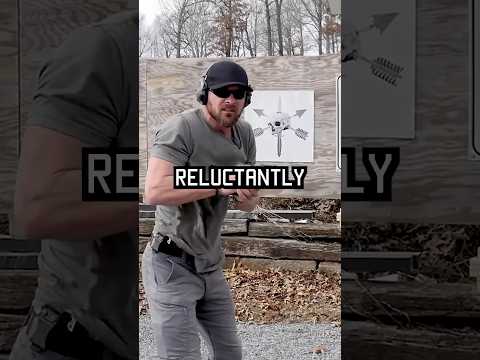
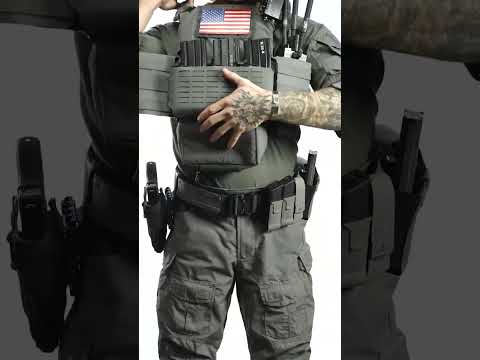
This quick tip from Travis Haley of Haley Strategic Partners focuses on optimizing holster position for a more efficient firearm draw, particularly relevant for open carry scenarios. He emphasizes the importance of biomechanical efficiency, explaining how a natural holster cant, often designed for comfort in vehicles, can hinder draw speed. The ideal is a vertical gun position, but if cant is unavoidable, techniques to compensate for the angle are discussed. The core principle is that straight lines are stronger and more efficient than angles for drawing a firearm.

Quick Summary

Optimize your firearm draw by understanding holster cant. A natural cant, while comfortable, can hinder speed. Aim for a vertical holster position for biomechanical efficiency, allowing a full grip and minimizing wasted motion. If cant is unavoidable, compensate with slight shoulder movement for a faster, more effective draw.

Chapters

  1. 00:06Introduction to Open Carry and Holster Position
  2. 00:18Responsibility of Open Carry
  3. 00:32Holster Position Issues in Professions
  4. 00:43Safari Land 60004 ALS Holster Example
  5. 00:54Understanding Natural Holster Cant
  6. 01:00Reasons for Holster Cant (Vehicle Comfort)
  7. 01:11Drawing from Inside a Vehicle
  8. 01:32Actual Position for Draw Efficiency
  9. 01:39Defining Biomechanical Efficiency
  10. 01:57Assessing Draw Angle and Grip
  11. 02:21Ideal Vertical Holster Position
  12. 02:30Straight Line Adapters for Holsters
  13. 02:35Achieving a High Tang Grip
  14. 03:00Compensating for Canted Holsters
  15. 03:10Excessive Waist Movement for Draw
  16. 03:32Straight Lines vs. Angles in Draw
  17. 03:39Practice and Grip Consistency
  18. 03:45Closing Remarks

Frequently Asked Questions

Why is holster cant a concern for firearm draw efficiency?

A natural holster cant, often designed for comfort in vehicles, creates an angle that requires more body movement and time to clear the firearm during a draw, reducing overall efficiency and speed.

What is the ideal holster position for a faster firearm draw?

The ideal position is more straight up and down (vertical). This allows for a more direct path for the firearm to clear the holster and facilitates a full, high tang grip, minimizing wasted motion.

How can I improve my draw if my holster has an unavoidable cant?

If your holster must have a cant, you can compensate by slightly moving your shoulder out of the way to clear the angle. This involves a slight crossover movement, and you'll need to return to center as you bring the gun on target.

What does 'biomechanical efficiency' mean in the context of a firearm draw?

Biomechanical efficiency means understanding how your body moves—shoulder rotation, elbow bend, wrist angle—to execute a firearm draw as quickly and smoothly as possible, minimizing unnecessary actions.

Related News

All News →

More Tactical & Gear Videos You Might Like

More from Haley Strategic Partners

View all →