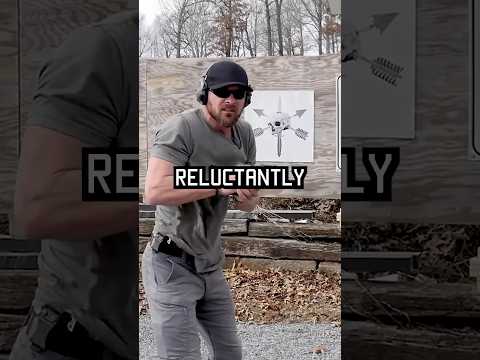
Robber Takes the Room Temperature Challenge | Active Self Protection

Published on June 2, 2017
Duration: 5:05

This video analyzes a self-defense incident where off-duty officers successfully neutralized an armed robber. Expert John Correia highlights key tactical lessons including using cover for concealment during a draw, the importance of taking initiative, and the 'Fudge, I've Been Shot' (FIBS) factor. The analysis emphasizes evidence-based defensive strategies for armed encounters.

Quick Summary

Expert John Correia of Active Self Protection analyzes a robbery where off-duty officers used cover to conceal their draw, initiating a counter-ambush. He explains the 'Fudge, I've Been Shot' (FIBS) factor, highlighting how the first person to fire gains an advantage, and stresses the importance of weapon security post-incident.

Chapters

  1. 00:00Introduction and Context
  2. 00:32The Incident Breakdown
  3. 01:33Tactical Lesson: Initiative Deficit and Concealment
  4. 02:38Tactical Lesson: Teamwork and Compliance
  5. 03:05Tactical Lesson: The FIBS Factor
  6. 03:38Tactical Lesson: Hand Management and Weapon Security

Frequently Asked Questions

What is the 'Fudge, I've Been Shot' (FIBS) factor in self-defense?

The FIBS factor describes the disorientation and reduced effectiveness a person experiences immediately after being shot. This phenomenon explains why the first individual to successfully land shots in a confrontation often gains a decisive advantage, as the wounded party may still attempt to fight back or locate their attacker.

How can cover be used effectively in a self-defense situation?

Cover can be used to conceal your movements, particularly the draw of your firearm, allowing you to initiate a counter-ambush. By hiding your actions, you can surprise the attacker, negating their initiative and potentially neutralizing the threat before they are aware of your engagement.

What are the key tactical lessons from the Active Self Protection robbery analysis?

Key lessons include understanding the initiative deficit, using cover for concealed draws, the importance of being the first to fire, coordinating actions with partners, and the impact of the FIBS factor. Proper weapon security after the threat is down is also critical.

Why is it important to secure an attacker's weapon after an incident?

Securing the attacker's weapon is crucial to prevent them from re-engaging or posing a continued threat, even if they have been incapacitated. This action ensures the scene is safe and the immediate danger is fully neutralized.

Related News

All News →

More Tactical & Gear Videos You Might Like

More from Active Self Protection

View all →