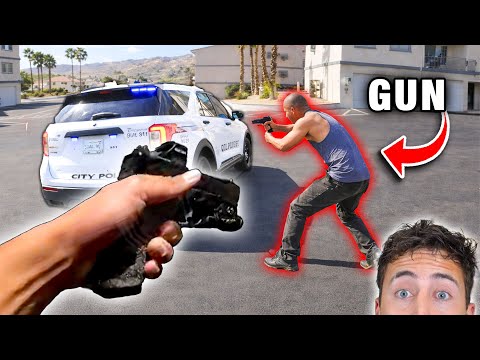
San Antonio Officer Pushes Through A Gunshot Wound On His Shooting Hand

Published on August 13, 2021
Duration: 14:41

This video analyzes a critical incident where a San Antonio officer sustained a gunshot wound to his shooting hand but continued to engage a suspect. Experts John Correia and Mike Willover break down the officer's tactical decisions, the impact of severe hand injuries on firearm manipulation, and the importance of immediate medical readiness. The analysis highlights the officer's resilience and the critical need for training in one-handed weapon manipulation and trauma care under duress.

Quick Summary

An officer shot in the hand must prioritize maintaining firearm control, returning fire if necessary, seeking cover, and clearing malfunctions. Training for one-handed firearm and medical gear operation is vital for survival in critical incidents where dominant hand injuries are common.

Chapters

  1. 00:00Introduction & Context
  2. 00:21Incident Overview: Traffic Stop Escalation
  3. 01:11The Gunfight & Officer Injury
  4. 03:08Tactical Analysis: Pre-Fight Options
  5. 04:30Emotional Fitness & Hand Injuries
  6. 06:24Medical Gear & One-Handed Training
  7. 09:00Dashcam Analysis: Tactical Movement
  8. 11:13Equipment Failure & Discipline

Frequently Asked Questions

What tactical lessons can be learned from an officer shot in the hand?

An officer shot in the hand must maintain control of their firearm, continue returning fire if necessary, seek cover, and attempt to clear malfunctions. Training for one-handed operation of firearms and medical gear is critical for survival.

Why is one-handed firearm manipulation important for law enforcement?

Officers can sustain severe hand injuries during confrontations, incapacitating their dominant shooting hand. Practicing one-handed reloads, malfunction clearances, and drawing from concealment ensures they can still effectively use their firearm for self-defense.

How should medical gear be prepared for critical injuries?

Trauma kits, especially tourniquets, should be placed in accessible locations and practiced for application with either hand. This ensures immediate self-aid is possible even if the dominant hand is severely injured or incapacitated.

What role do bodycams and dashcams play in analyzing critical incidents?

Body-worn and dashcam footage provide objective, multi-angle perspectives of critical incidents. They are invaluable for detailed tactical analysis, understanding officer actions, identifying potential training gaps, and ensuring accountability.

Related News

All News →

More Tactical & Gear Videos You Might Like

More from Active Self Protection

View all →