SPR vs Recce vs SBR vs PDW Classification

Published on December 6, 2021
Duration: 21:34

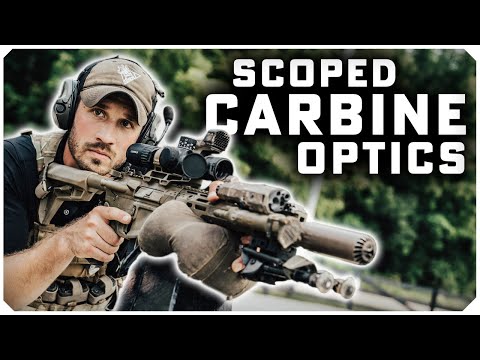
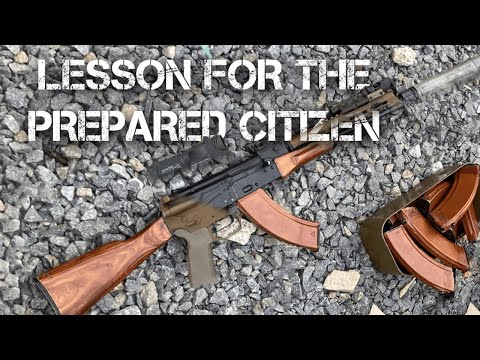
This guide, drawing from the expertise of Brass Facts, breaks down common rifle classifications: SPR, Recce, SBR, PDW, PCC, and Battle Rifles. It emphasizes that these categories are often fluid and that building a rifle should be based on specific mission goals rather than strict labels. The content highlights key characteristics of each type, such as barrel length for SBRs, magnification for Recce rifles, and caliber for Battle Rifles, offering practical insights for firearm enthusiasts.

Quick Summary

Rifle classifications like SPR, Recce, SBR, and PDW are often fluid and overlapping. An SPR is a 5.56 marksman rifle for long range, while a Recce is a versatile GPR. SBRs have short barrels (<12.5") for maneuverability, and PDWs (<15" overall) focus on extreme concealment. Building based on mission goals is key.

Chapters

  1. 00:00Introduction to Rifle Classification
  2. 01:06GPR and Recce Rifles
  3. 04:00Short Barreled Rifles (SBR)
  4. 07:33Pistol Caliber Carbines (PCC)
  5. 08:16Personal Defense Weapons (PDW)
  6. 09:46Special Purpose Rifles (SPR)
  7. 13:43Battle Rifles and SASS
  8. 15:01Practical Advice and Conclusion

Frequently Asked Questions

What is the main difference between an SBR and a PDW?

An SBR (Short Barreled Rifle) typically has a barrel under 12.5 inches and focuses on maneuverability, often suppressed. A PDW (Personal Defense Weapon) prioritizes extreme concealment with an overall length under 15 inches, designed for easy stowing.

How does a Special Purpose Rifle (SPR) differ from a General Purpose Rifle (GPR)?

An SPR is a 5.56 marksman system optimized for long-range accuracy with high magnification optics and precision ammo. A GPR (or Recce rifle) is more versatile, effective across a wider range of distances with moderate magnification.

Are rifle classifications like SPR, SBR, and PDW rigid categories?

No, these classifications are often fluid and overlapping in real-world usage. The speaker emphasizes building firearms based on specific mission goals rather than trying to fit them into rigid, predefined categories.

What are the key characteristics of a Battle Rifle?

Battle Rifles utilize larger calibers, such as .308 Winchester (7.62x51mm), to provide increased lethality and better performance in wind compared to standard intermediate cartridge rifles.

Related News

All News →

More Tactical & Gear Videos You Might Like

More from Brass Facts

View all →