"SubZero" Snow Adventure, Actual Pt 1 by Nutnfancy

Published on December 7, 2010
Duration: 41:09

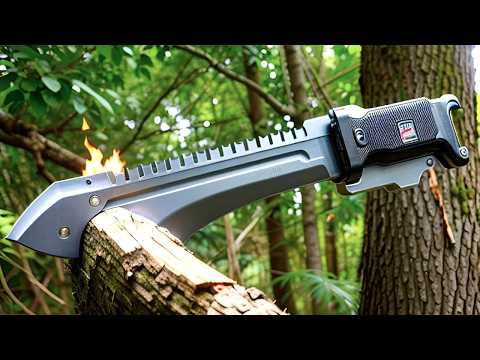
This guide details using the Cold Steel Norse Hawk and Sawvivor saw for camp preparation in a sub-zero environment, as demonstrated by Nutnfancy. It covers gathering firewood and chopping efficiency, emphasizing the tomahawk's utility for survival tasks despite its primary design. The content highlights expert gear testing in extreme conditions.

Quick Summary

Nutnfancy demonstrates the Cold Steel Norse Hawk's utility for survival tasks like chopping firewood during a sub-zero adventure. Proper layering to prevent sweat-induced chilling and careful avalanche risk assessment are highlighted as critical safety measures for winter expeditions.

Chapters

  1. 00:00Introduction to Sub-Zero Adventure
  2. 01:14Everyday Carry (EDC) Items
  3. 01:38Snowshoeing and Canine Gear
  4. 03:12Avalanche Danger Assessment
  5. 05:43Layering and Thermoregulation
  6. 07:51Tactical Backpacks
  7. 09:16Camp Preparation and Firewood
  8. 10:07Cold Steel Norse Hawk Demonstration

Frequently Asked Questions

How can the Cold Steel Norse Hawk be used for survival?

The Cold Steel Norse Hawk is effective for survival tasks such as chopping firewood, as demonstrated in sub-zero conditions. Its robust construction and sharp edge make it suitable for processing wood for campfires and shelter building.

What gear is recommended for winter adventures like the one shown?

Recommended gear includes MSR snowshoes for deep snow, Ruffwear boots for dogs, layered clothing for thermoregulation, a reliable multi-tool like a Leatherman, a durable backpack such as the Amron International Eagle 7500, and cutting tools like the Sawvivor saw and Cold Steel Norse Hawk.

What is the importance of layering clothing in cold weather?

Proper layering is crucial to manage body temperature during high exertion. It allows you to shed layers to prevent sweating, which can lead to dangerous chilling once activity stops, maintaining core warmth and preventing hypothermia.

How is avalanche risk assessed in the video?

The video shows an assessment of avalanche risk in a canyon. Even with a low-to-medium danger rating, the team opted for a longer, safer route to avoid potential chutes, demonstrating a cautious approach to mountain travel.

More Tactical & Gear Videos You Might Like

More from nutnfancy

View all →