Suppressor Innovation

Published on October 22, 2025
Duration: 1:57

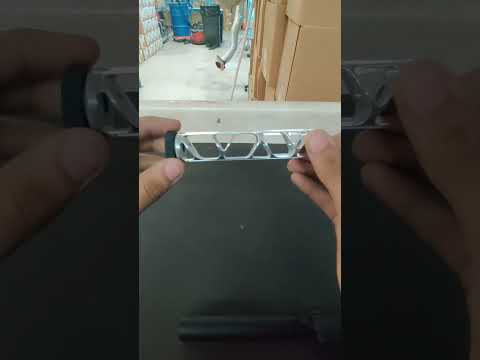
The video discusses the imminent wave of suppressor innovation driven by additive manufacturing (3D printing). Traditional reductive manufacturing methods, while effective, have performance limitations. Additive manufacturing allows for complex internal geometries, varied gas flow patterns, and the use of advanced materials like Inconel 718 and Titanium Grade 5, which are difficult or expensive to machine. This technology is expected to make suppressor development more accessible and lead to significant advancements, potentially rendering reductive cans obsolete within a few years.


Quick Summary

Additive manufacturing, or 3D printing, is driving a wave of suppressor innovation by enabling complex internal geometries, varied gas flow patterns, and the use of advanced materials like Inconel 718 and Titanium Grade 5. This technology offers significant advantages over traditional reductive manufacturing, potentially making older designs obsolete.

Chapters

  1. 00:00Introduction to Suppressor Innovation
  2. 00:03Key Companies in Innovation
  3. 00:06Additive Manufacturing Explained
  4. 00:12Limitations of Reductive Manufacturing
  5. 00:34The Rise of 3D Printing
  6. 00:43Additive vs. 3D Printing
  7. 00:51Advantages of Additive Manufacturing
  8. 01:06Advanced Materials: Inconel and Titanium
  9. 01:26Design Freedom in Additive Manufacturing
  10. 01:38Prototyping and Testing
  11. 01:51The Future: Reductive Cans Extinct?

Frequently Asked Questions

What is additive manufacturing in the context of suppressors?

Additive manufacturing, often referred to as 3D printing or more technically as direct laser metal sintering, builds suppressors layer by layer. This process allows for complex internal geometries and the use of advanced materials that are difficult or impossible to achieve with traditional reductive manufacturing methods.

How does additive manufacturing improve suppressor design?

Additive manufacturing enables the creation of intricate internal structures, varied gas flow patterns, and unique dynamics within suppressors. This design freedom allows for optimized performance, reduced size, and the use of specialized materials like Inconel and Titanium that are challenging for traditional machining.

What are the benefits of using materials like Inconel and Titanium in 3D printed suppressors?

Materials like Inconel 718 offer high heat resistance (up to 1400°F), while Titanium Grade 5 provides a strong yet lightweight option. 3D printing makes these advanced materials accessible for suppressor construction, overcoming the difficulties and high costs associated with machining them traditionally.

Will traditional (reductive) suppressors become obsolete?

The video suggests that with the rapid advancements and increasing accessibility of additive manufacturing, traditional reductive suppressors may become largely obsolete within the next two to three years. The performance and design capabilities of 3D printed suppressors are expected to surpass current standards.

Related News

All News →

More Tactical & Gear Videos You Might Like

More from Shark Coast Tactical

View all →