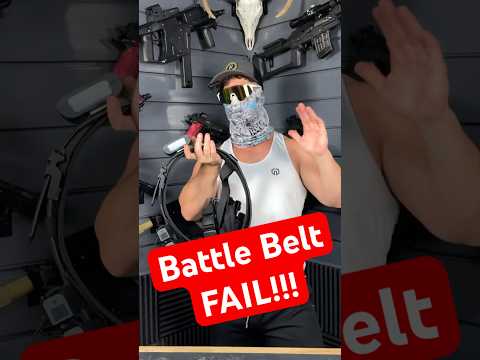
Testing Two Battle Belts - Lessons Learned

Published on February 22, 2020
Duration: 13:45

This guide synthesizes lessons learned from testing two battle belts, a Blue Alpha Gear double-layer belt and a generic tactical belt. It covers the philosophy of first-line gear, compares MOLLE systems, and details the setup of holsters, magazine carriers, and medical pouches. The expert assessment highlights the importance of practical testing and personal preference in gear selection.

Quick Summary

Battle belts are crucial 'first line gear' for carrying essential equipment like pistols, spare magazines, and medical supplies. Two-layer designs offer superior stability over single-layer belts. Key components include holsters (e.g., Safariland ALS), magazine carriers (e.g., Esstac Kywi, G-Code Scorpion), and medical pouches. Practical testing through drills is vital for ensuring reliability and accessibility.

Chapters

  1. 00:11Introduction to Battle Belts
  2. 00:36Two-Layer vs. War Belts
  3. 01:21Belts Tested
  4. 01:41MOLLE Systems
  5. 03:13First Line Gear Philosophy
  6. 04:09Holster Setups
  7. 07:36Medical Gear
  8. 10:20Magazine Carriers
  9. 11:42Lessons Learned

Frequently Asked Questions

What is the primary purpose of a battle belt?

A battle belt, considered 'first line gear,' is designed to carry essential items such as a pistol, spare magazines, basic medical supplies, and a tourniquet, ensuring quick access during tactical or defensive scenarios.

How do two-layer battle belts differ from single-layer war belts?

Two-layer battle belts, often featuring an inner and outer belt, provide superior stability and load-bearing capacity compared to single-layer padded war belts, which are generally lighter but less rigid.

What are key considerations when choosing magazine carriers for a battle belt?

When selecting magazine carriers, consider factors like retention type (adjustable tension vs. fixed Kydex), footprint, and compatibility with both pistol and rifle magazines, as demonstrated by options like the Esstac Kywi and G-Code Scorpion.

Why is practical testing crucial for battle belt setups?

Practical testing through movement and shooting drills is essential to identify any gear interference, instability, or accessibility issues before a critical situation arises, ensuring the setup functions reliably under stress.

Related News

All News →

More Tactical & Gear Videos You Might Like

More from Hop

View all →