This video reviews the Gideon Optics Guardian 1-8x24 LPVO, highlighting its utility as an all-in-one optic solution. It discusses the optic's ability to transition from 1x for close-quarters to 8x for extended ranges, noting the clarity of the glass and the reticle design which features a quick-acquisition center dot at 1x and a Christmas tree style reticle with holdovers at higher magnifications. The reviewer successfully tested the optic out to 400 yards.
This video compares ACOG and LPVO rifle optics, highlighting their respective strengths and weaknesses. ACOGs are praised for their lighter weight, larger field of view, and always-on reticle, making them ideal for users prioritizing these features. LPVOs offer variable magnification but are noted for being heavier, more fragile, and requiring more user adjustment.
This video emphasizes that the effectiveness of an LPVO is heavily dependent on the shooter's skill and proper setup, not just the optic itself. It details how to optimize the eyebox by setting the optic for maximum magnification and discusses how mount height and stock length of pull should be adjusted based on whether the focus is close-quarters, long-range, or a balance of both. The instructor highlights the importance of understanding ballistics, atmospherics, and managing magnification and 'dope' (data on previous engagements) to fully utilize an LPVO's dual-discipline capabilities.
This review of the EOTech Vudu 3-9x variable power optic covers its features, performance in various shooting drills, and comparisons to other optics like ACOGs and Nightforce. The reviewer highlights its compact size, integrated red dot option, and unique mounting solution, while also discussing its limitations in glass clarity and reticle precision. The video provides practical insights into its suitability for different shooting applications and offers a detailed breakdown of the rifle build used for testing.
This video provides an in-depth overview of the Trijicon VCOG 1-8x28, highlighting its robust construction and suitability for combat applications, as evidenced by its adoption by the US Marine Corps. The presenter details its MIL-STD-810G testing, including extreme drop and impact simulations, and discusses its performance in maintaining zero and optical clarity. Key features like the integrated mount, non-magnifying reticle for close-quarters, and the absence of adjustable turrets for dialing are explained, along with its weight comparison to other optics in its class.
This video provides a first look at the Monstrum Beast LPVO, a new optic released by Monstrum. It highlights key differences from their Panzer series, primarily the Beast's exposed turrets for easier adjustments and an included scope mount with a detachable piggyback mount. The optic is available on their website and Amazon.
This video compares the utility of an LPVO (Low Power Variable Optic) versus a red dot sight paired with a magnifier on an AR-15 platform. It highlights the versatility of a magnifier setup, allowing a quick switch between 1x and 3x magnification, while an LPVO offers a broader magnification range (1x to 8x in the example). The trade-offs in weight, reticle visibility at 1x, and overall capability for different engagement distances are discussed.
This video provides an unboxing and overview of the Griffin Armament 1-8x28 First Focal Plane LPVO and its accompanying Griffin 30mm GPM cantilever mount. It details the included components, features like the illuminated reticle with off-positions, and provides torque specifications for mounting. The presenter also discusses the optic's weight and offers a visual demonstration of its magnification range and reticle visibility.
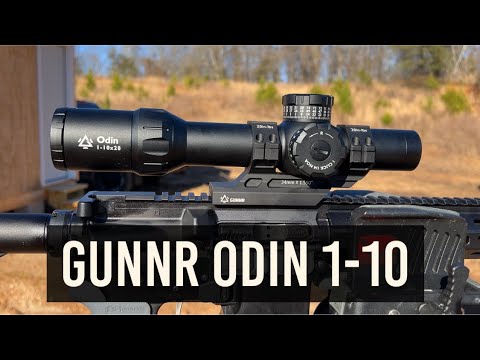
This review covers the Gunnr Odin 1-10x28 LPVO, highlighting its first focal plane design, 34mm tube for increased adjustment range, and German glass for clarity. The turrets are praised for their crisp, tactile, and locking performance, comparable to higher-end optics. While the illumination is suitable for twilight, it's not daytime bright. The reticle's fine detail at low power is noted as a potential weakness for close-quarters engagement, suggesting the optic is better suited for longer ranges.
This video delves into the practical considerations for effectively using Low Power Variable Optics (LPVOs). It emphasizes that LPVOs are versatile tools requiring shooter skill to overcome their inherent drawbacks, particularly at close range. Key factors discussed include reticle design, diopter adjustment for eye focus, tube and ocular lens size for target acquisition, eyebox management through proper firearm setup, and turret functionality for dialing. The content highlights the importance of understanding both close and long-range shooting disciplines to maximize an LPVO's potential, stressing that the optic itself doesn't grant skill but enables its application.
This video showcases what POV shooting looks like through a rifle scope using a custom camera rig. The host, a firearms content creator, demonstrates engaging various fruit targets, offering a unique perspective on aiming and impact. The content highlights the use of specialized equipment for capturing dynamic shooting footage.
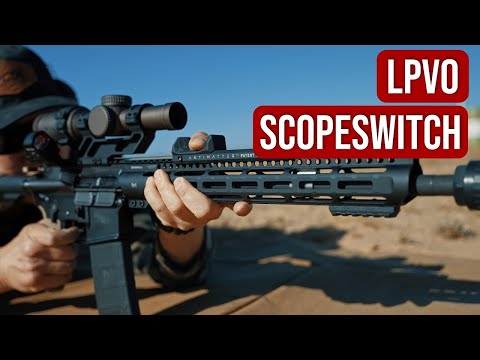
This guide details the installation and operational considerations for the Antimatter LPVO Scope Switch. It covers the three main installation steps: mounting the scope, attaching the slider assembly, and connecting the ring sleeve and cables. The video emphasizes potential installation challenges, such as adjusting the direction of magnification travel and ensuring proper fit with scope spacers. It also discusses the operational stiffness, thumb positioning for actuation, and ideal use cases in competition and tactical scenarios.
Gun Laws by State
Read firearms regulations for all 50 states + D.C.
Find Gun Dealers
Search licensed FFL dealers near you.