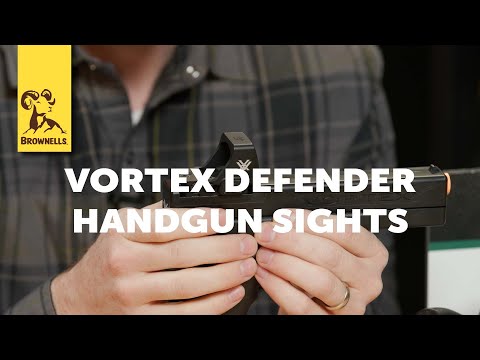
The big dot gang is fired up

Published on September 7, 2024
Duration: 12:16

This video discusses the debate around red dot sight MOA sizes, particularly larger dots (5-8 MOA) versus smaller ones (1-2 MOA). The speaker, Ben Stoeger, argues that the ability to quickly acquire a dot is a function of developed shooting skill and index, not solely dot size. He also touches on the mechanical accuracy of firearms and how it relates to optic precision, as well as the impact of astigmatism on dot perception.

Quick Summary

The debate over red dot sight MOA size often centers on whether larger dots (5-8 MOA) are faster to acquire than smaller ones (1-2 MOA). However, firearms instructor Ben Stoeger emphasizes that developed shooting skill and proper indexing are paramount for quick dot acquisition, not just the dot's size. Astigmatism can also influence preference, with larger or green dots sometimes being more visible.

Chapters

  1. 00:01Introduction to MOA Dots
  2. 00:11Direct Mount Optics Discussion
  3. 00:29The Big Dot Argument
  4. 00:41Critique of 'Easier to Locate Dot' Claims
  5. 01:10Comparing 2 MOA vs. 5 MOA Dots
  6. 01:44Skill vs. Dot Size for Acquisition
  7. 02:22Dot Size vs. Mechanical Accuracy
  8. 03:04Commentary on Gear Reviews
  9. 03:35Carry Optic Size Preferences
  10. 04:07Speaker's Approach to Gear Discussion
  11. 04:50Astigmatism and Dot Size
  12. 05:16The Great Dot Size Debate
  13. 05:25Big Dot Advantages for Competition
  14. 06:11Optic Durability: Vortex Viper vs. Venom
  15. 06:32Sig Romeo 1 Durability Issues
  16. 07:03Brightness Settings and Carry Guns
  17. 07:23Seymour Optic Sizes
  18. 07:446 MOA on 407k Experience
  19. 07:53Vortex Venom Adjustment Issues
  20. 08:15Vortex Defender XL vs. Holosun 507k
  21. 08:47Viewer Preferences for Larger Dots
  22. 08:52Glass Quality vs. MOA Size
  23. 09:06Holosun 507 Comp as Standard
  24. 09:10Vortex XL vs. 507 Comp Price Comparison
  25. 10:03No Single 'Right' Answer for Dot Size
  26. 10:07Holosun Donut of Death Reticle
  27. 10:34Indicators of Shooting Skill
  28. 10:56Green Exit Signs and Calming Effects
  29. 11:09Green Dots and Mental Effects
  30. 11:29Big Dot Bros Argument: Dimness and Awareness
  31. 11:42Dimmer Dots and Target Focus
  32. 12:00Concluding Remarks and Viewer Comments

Frequently Asked Questions

What is the main argument regarding red dot sight MOA size?

The primary debate is whether larger MOA dots (e.g., 5-8 MOA) are inherently better for faster target acquisition than smaller dots (1-2 MOA). The speaker argues that shooting skill and proper indexing are more crucial for quick dot acquisition than the dot's size alone.

How does astigmatism affect red dot sight usage?

Astigmatism can cause smaller red dots to appear starburst or distorted, making them harder to see clearly. In such cases, larger dots or green-colored dots may offer better visibility and comfort for the shooter.

What are the perceived downsides of older Vortex red dot sights?

Older Vortex red dot models, like the Viper and Venom, were reported to have issues with holding zero and overall durability, failing after fewer rounds compared to some competitors. The Sig Romeo 1 also showed poor reliability.

Is there an objectively 'best' red dot sight MOA size?

According to the discussion, there isn't a single objectively best MOA size for all shooters. Factors like individual shooting skill, vision (e.g., astigmatism), and intended use (self-defense vs. competition) play a significant role in determining the optimal dot size.

Related News

All News →

More Tactical & Gear Videos You Might Like

More from Ben Stoeger

View all →