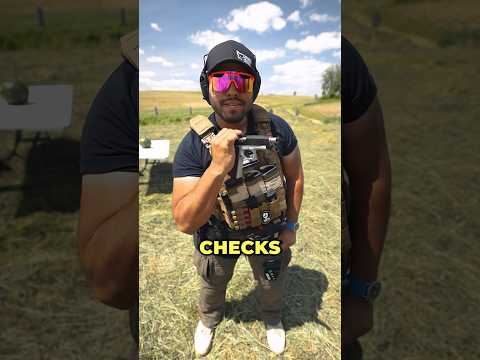
The Worst Time To Press The Panic Button

Published on May 16, 2023
Duration: 0:36

This guide, presented by law enforcement professional Johnny Q, details the critical importance of understanding and managing your public safety radio's panic button. It outlines scenarios where accidental activation can lead to embarrassing and resource-intensive false alarms, emphasizing the need for situational awareness when handling gear, especially during personal breaks. Proper radio management is crucial for effective communication and avoiding unnecessary dispatch responses.

Quick Summary

The worst time for a law enforcement officer to accidentally press their radio's panic button is during personal breaks when their patrol vest is removed, increasing the risk of inadvertent activation. This can lead to dispatch initiating status checks and potentially a full emergency response, diverting critical resources.

Chapters

  1. 00:00Introduction: The Panic Button Problem
  2. 00:05The Scenario: Bathroom Break Mishap
  3. 00:21The Consequence: False Alarm & Dispatch Checks

Frequently Asked Questions

What is the worst time for a law enforcement officer to press their radio's panic button?

The worst time is often when an officer is out of service for a personal break, such as using the restroom, and has removed their patrol vest, increasing the chance of accidentally triggering the button without immediate awareness.

What happens when a radio's panic button is accidentally activated?

Accidental activation typically alerts dispatch, initiating status checks and potentially a full emergency response. This can be embarrassing and divert critical resources if not promptly addressed by the officer.

How can officers prevent accidental panic button activation?

Officers can prevent accidental activation by maintaining situational awareness of their radio's location and status, securing it properly, and being mindful of gear placement, especially when removing vests or other equipment.

Why is immediate communication important after a false alarm?

Immediate communication with dispatch is vital to confirm a false alarm, explain the situation, and prevent unnecessary emergency responses. This saves valuable time and resources for both the officer and the dispatch center.

Related News

All News →

More Tactical & Gear Videos You Might Like

More from Johnny Q

View all →