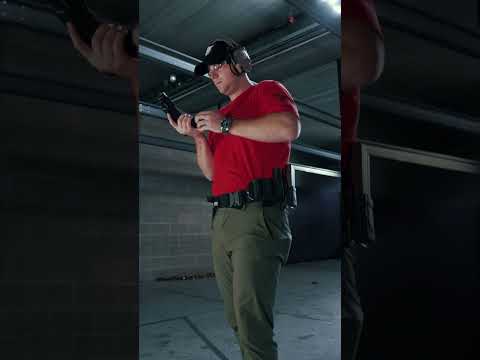
What Holster Should You Carry? (Lvl 1 vs 2 vs 3)

Published on August 5, 2025
Duration: 14:58

This video provides a comprehensive overview of firearm holster retention levels, explaining the differences between Level 1 (friction), Level 2 (secondary lock), and Level 3 (tertiary lock) systems. It emphasizes the importance of choosing a holster appropriate for the intended application, from concealed carry to duty use. The instructors highlight the benefits of Kydex for retention and protection, and demonstrate the draw stroke for advanced retention holsters, stressing the need for practice.

Quick Summary

Firearm holsters are categorized by retention levels: Level 1 relies on friction, Level 2 adds a secondary lock, and Level 3 includes a third locking system for maximum security. Choosing the right level depends on your activity and threat assessment, with higher levels offering greater protection against weapon grabs but potentially slower draws.

Frequently Asked Questions

What is the difference between Level 1, Level 2, and Level 3 holsters?

Level 1 holsters use friction alone for retention. Level 2 adds a secondary locking mechanism, like a thumb break or hood. Level 3 incorporates a third locking system for maximum security against weapon grabs, often involving multiple hoods.

Why is holster retention important?

Holster retention is crucial for preventing the firearm from falling out during physical activity and, more importantly, for stopping an assailant from easily taking your weapon. Higher retention levels offer greater security against retention attempts.

What is the best type of holster for concealed carry?

For concealed carry, the choice depends on personal preference and activity level. Many opt for Level 1 holsters for ease of draw, but a Level 2 holster can offer better security without significantly hindering concealment or draw speed.

How do you draw a firearm from a Level 3 retention holster?

Drawing from a Level 3 holster typically involves a specific sequence: first, disengaging the primary locking mechanism (e.g., a hood) with your thumb, then continuing the draw stroke to release the secondary lock and extract the firearm in a fluid motion.

More Tactical & Gear Videos You Might Like

More from ClassicFirearms

View all →