When Less Lethal Does Not Work

Published on November 5, 2024
Duration: 19:44

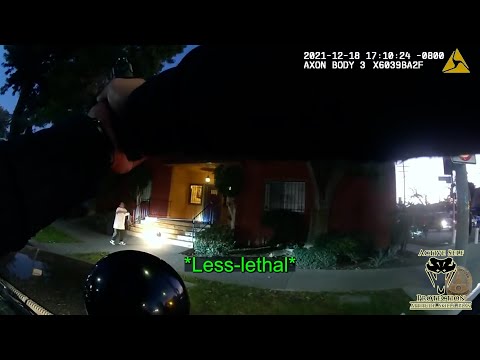
This analysis, presented by experts John Correia and Mike Willever of Active Self Protection, dissects a critical incident in Aurora, Illinois. It examines the failure of less-lethal force (pepper balls) when confronted with a knife-wielding suspect, highlighting tactical errors in de-escalation and the importance of understanding principles like the Tueller Principle. The video critiques the premature use of less-lethal options and the subsequent escalation leading to lethal force.


Quick Summary

Experts John Correia and Mike Willever analyze a critical incident where pepper balls failed against a knife-wielding suspect. The analysis critiques the premature use of less-lethal force, highlighting how it escalated the situation and led to a suspect charge, underscoring the importance of the Tueller Principle and proper tactical de-escalation strategies.

Chapters

  1. 00:00Introduction and Incident Overview
  2. 01:04Initial Contact and De-escalation
  3. 03:55Complications with Bystanders
  4. 05:35Failed Less-Lethal Deployment
  5. 07:38Tactical Analysis: De-escalation Principles
  6. 08:35The Tueller Principle and Movement

Frequently Asked Questions

Why did the pepper ball deployment fail in the Active Self Protection video?

The pepper ball deployment failed because the pain stimulus caused the knife-wielding suspect to charge the officer instead of being subdued. This highlights a critical tactical error in assessing the threat and the appropriate use of less-lethal force.

What is the Tueller Principle and how does it relate to this incident?

The Tueller Principle suggests an attacker with a knife can close distance rapidly. In this case, the suspect's charge after the pepper ball deployment underscored the immediate threat posed by edged weapons at close range, emphasizing the need for officer movement and threat recognition.

What tactical errors were identified in the video analysis?

Key tactical errors included the premature use of less-lethal force, failure to effectively contain the scene amidst bystander interference, and potentially inadequate response to the suspect's charge, emphasizing the need for adherence to de-escalation strategies.

What lessons can be learned from the failed less-lethal force incident?

The incident teaches that less-lethal options may not always be effective against determined or highly agitated threats, especially those armed with edged weapons. It stresses the importance of proper threat assessment, tactical positioning, and understanding the limitations of less-lethal tools.

Related News

All News →

More Tactical & Gear Videos You Might Like

More from Active Self Protection

View all →