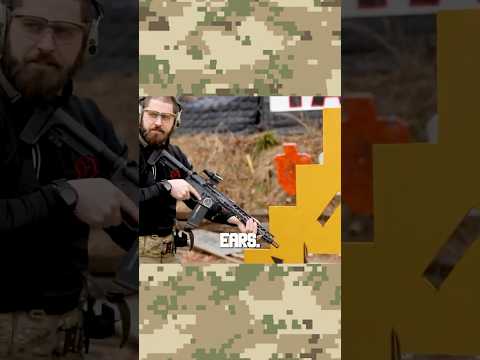
1 Man Clearing CRITICAL KNOWLEDGE for Civilians & Cops

Published on May 26, 2018
Duration: 4:21

This guide details one-man room clearing techniques, emphasizing its critical importance for civilian self-defense and law enforcement. Instruction from John Lovell of Warrior Poet Society highlights that tactical preparedness and understanding the OODA loop are paramount, often more so than pure shooting skill. The video stresses that these skills are essential for anyone facing potential threats within structures.

Quick Summary

One-man room clearing is a critical skill for civilian self-defense, as most defensive gun uses happen within structures. Instruction emphasizes the OODA loop (Observe, Orient, Decide, Act) for effective decision-making under stress. These techniques are vital for home defense and go beyond basic flat range proficiency, preparing individuals for complex tactical realities.

Chapters

  1. 00:00Room Clearing Demonstration
  2. 00:39Reality of Defensive Gun Use
  3. 01:15Flat Range vs. Tactical Reality
  4. 02:13Tactics vs. Skills (OODA Loop)
  5. 03:05Room Clearing for Civilians and Patrol

Frequently Asked Questions

Why is one-man room clearing important for civilians?

One-man room clearing is crucial for civilians because most defensive gun uses occur within or around structures. Mastering this skill enhances personal safety and preparedness for potential home invasion scenarios, moving beyond basic range proficiency.

How does the OODA loop apply to room clearing?

The OODA loop (Observe, Orient, Decide, Act) is fundamental to effective room clearing. It guides the rapid assessment of threats, orientation to the environment, decision-making under pressure, and execution of actions needed to safely clear a space.

Are room clearing skills only for law enforcement?

No, room clearing is essential for both law enforcement officers and civilians. While SWAT teams train extensively, basic room clearing principles are vital for any individual needing to defend their home or property against intruders.

What is the difference between flat range skills and tactical encounters?

Flat range skills focus on fundamentals like drawing and reloading in a static environment. Tactical encounters, such as room clearing, involve dynamic movement, complex geometry, psychological stress, and rapid decision-making, requiring different skill sets and preparation.

Related News

All News →

More Training & Techniques Videos You Might Like

More from Warrior Poet Society

View all →