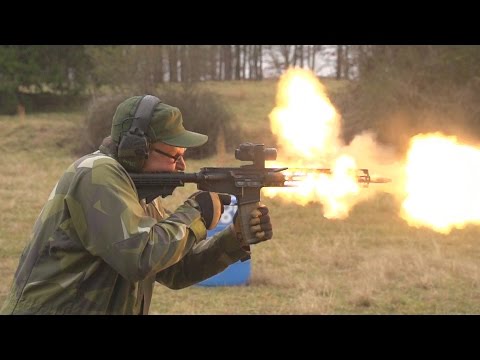
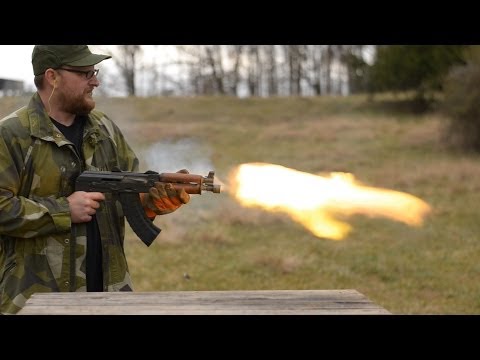
3 Common field shooting positions

Published on July 9, 2012
Duration: 3:36

This video, featuring expert instruction from Iraqveteran8888, details three fundamental field shooting positions: off-hand, seated, and prone. It emphasizes the increasing stability from off-hand to prone and provides practical tips for each, including proper elbow placement in the seated position and body angling in the prone position. The instructor encourages practicing these skills beyond static bench shooting for real-world application.

Quick Summary

Learn three common field shooting positions: off-hand, seated, and prone. Expert instruction covers proper technique, including elbow placement for seated shots and body angling for prone shots, emphasizing increased stability from standing to lying down. Practice these skills for practical marksmanship.

Chapters

  1. 00:00Introduction to Field Shooting Positions
  2. 00:20Off-Hand Shooting Position
  3. 00:43Seated Shooting Position Technique
  4. 01:30Disadvantages of Seated Position
  5. 02:00Prone Shooting Position and Deployment
  6. 02:37Importance of Practical Shooting Practice

Frequently Asked Questions

What are the three common field shooting positions discussed?

The three common field shooting positions are off-hand (standing), seated, and prone (lying down). Stability generally increases as you move from off-hand to prone, with each position offering different advantages for accuracy and mobility.

What is the best technique for the seated shooting position?

For the seated position, place your elbows on the inside of your legs, leaning forward. Avoid placing elbows directly on your kneecaps, as this can reduce stability. This position is stable but may limit your field of view.

Why is practicing field shooting positions important?

Practicing field shooting positions is crucial for developing practical marksmanship skills beyond static bench rest shooting. It prepares you for real-world scenarios where stable shooting platforms may not be available, improving adaptability and effectiveness.

How does body movement affect the off-hand shooting position?

In the off-hand position, it's important to move your entire body, not just your upper torso, when acquiring new targets or changing direction. This allows for smoother transitions and better control of the firearm.

Related News

All News →

More Training & Techniques Videos You Might Like

More from Iraqveteran8888

View all →