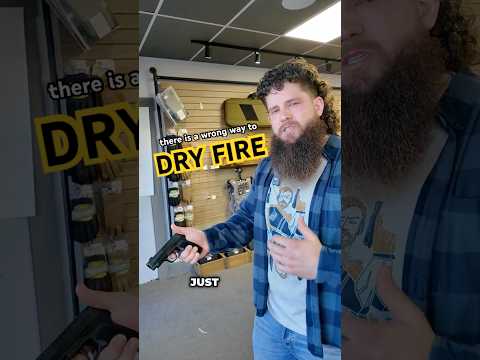
3 Important Myths You NEED To Know BEFORE You Concealed Carry!

Published on July 3, 2022
Duration: 7:03

This video debunks common myths surrounding concealed carry, emphasizing that true stopping power comes from hitting the nervous system (brain or spinal cord), not just caliber. It highlights the importance of muscle memory for performing complex actions like magazine reloads under extreme stress, as individuals often 'go white' and rely on ingrained responses. The instructor stresses that attacks are sudden, with only about three seconds to win a gunfight, necessitating regular practice of fundamental skills.

Quick Summary

True stopping power in a firearm comes from hitting the nervous system (brain or spinal cord), not solely from caliber. Under stress, individuals rely on muscle memory for actions like magazine reloads. Most gunfights occur in under three seconds, emphasizing the need for rapid, accurate shots and constant situational awareness.

Chapters

  1. 00:22Introduction to Concealed Carry Myths
  2. 00:50Myth 1: Stopping Power & Caliber
  3. 01:52Myth 2: Complex Actions Under Pressure
  4. 02:55Myth 3: Predicting an Attack
  5. 03:34Caliber vs. Accuracy Discussion
  6. 04:40The Three-Second Gunfight Timeline
  7. 05:08Importance of Practice: Reloads & Draws
  8. 05:31The Reality of Attack Indicators
  9. 05:47Situational Awareness for Concealed Carriers

Frequently Asked Questions

What is the most important factor for stopping power in a firearm?

The most crucial factor for stopping power is hitting the attacker's nervous system, specifically the brain or spinal cord. Caliber plays a role in penetration, but accurate shot placement to these vital areas is what truly incapacitates an individual, not just the size of the bullet.

Why is muscle memory essential for concealed carriers?

Under extreme stress, individuals often 'go white' and rely on ingrained responses. Practicing complex actions like magazine reloads until they become muscle memory ensures you can perform them effectively during a high-stress encounter, rather than freezing or fumbling.

How much time do you realistically have to win a gunfight?

Most gunfights are resolved in three seconds or less. This means a concealed carrier must be proficient enough to draw their firearm and deliver accurate shots on target within this very short timeframe. Regular practice is key to achieving this speed and accuracy.

Can you predict when an attack will happen?

It's nearly impossible to predict an attack with certainty. Often, the indication of an attack is the attack itself. Therefore, maintaining constant situational awareness and being prepared for immediate action is more effective than trying to anticipate a threat.

Related News

All News →

More Training & Techniques Videos You Might Like

More from GFG

View all →