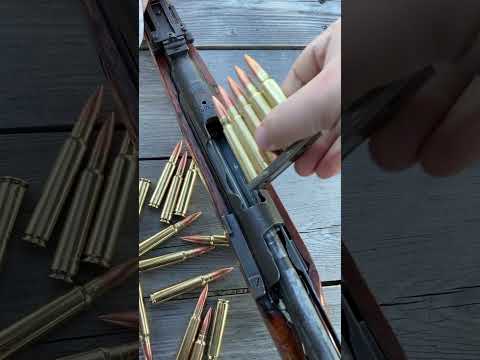
Anti-Aircraft Sights on the Japanese Type 99 Arisaka.

Published on February 18, 2015
Duration: 3:21

This guide details the operation of the unique anti-aircraft (AA) sights found on the Japanese Type 99 Arisaka rifle. Drawing from expert instruction, users will learn how to adjust the standard rear sight for range and deploy the specialized AA wings for leading moving targets. The guide emphasizes a crucial safety check before handling the firearm and provides context on the historical application of these sights.

Quick Summary

The Japanese Type 99 Arisaka features a unique rear sight system. In its standard position, it offers a 300m zero. When deployed, the ladder sight adjusts from 300m to 1500m. Additionally, flip-down anti-aircraft wings with notches help lead targets moving at 100, 200, or 300 knots, though their effectiveness diminished against faster WWII aircraft.

Chapters

  1. 00:00Introduction to Type 99 Arisaka
  2. 00:31Standard Rear Sight Operation
  3. 01:13Anti-Aircraft Sights Explained
  4. 02:01Historical Context and Effectiveness

Frequently Asked Questions

How do the anti-aircraft sights on the Type 99 Arisaka work?

The Type 99 Arisaka features flip-down anti-aircraft wings on its rear sight. These wings have specific notches designed to help the shooter lead aircraft traveling at different speeds, measured in knots (100, 200, or 300 knots).

What is the range adjustment for the standard rear sight on a Type 99 Arisaka?

The standard rear sight on the Type 99 Arisaka has a 300m zeroed aperture when down. When flipped up, the ladder sight can be adjusted from 300m to 1500m in 100m increments to compensate for bullet drop.

Why were anti-aircraft sights added to the Type 99 Arisaka?

These sights were developed in 1939 primarily for engaging low, slow-flying reconnaissance planes or bombers common in China during that era. They provided a method to lead these targets effectively.

What were the limitations of the Type 99 Arisaka's anti-aircraft sights?

The AA sights became largely obsolete against faster, higher-altitude Allied aircraft that emerged later in World War II. Their effectiveness was limited to specific target types and speeds.

More Training & Techniques Videos You Might Like

More from C&Rsenal

View all →