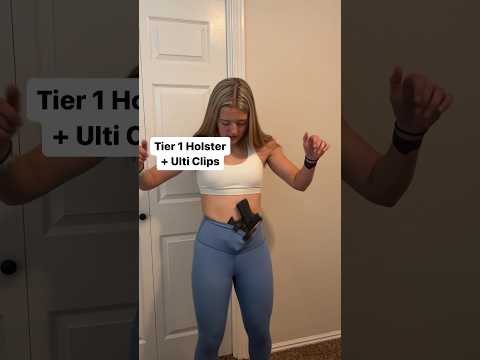
Back to appendix carry👍🏼 Gotta work on my one handed draw though

Published on June 7, 2024
Duration: 0:08

This guide details practicing a one-handed draw from an appendix carry position, crucial for parents or individuals needing to retain control of a child during a self-defense scenario. It emphasizes efficient garment clearing and a stable grip under simulated high-stress conditions. The video highlights the importance of dedicated practice for this advanced technique.

Quick Summary

Practicing one-handed draws from an appendix carry position is vital for parents or those needing to secure a child during a self-defense situation. This technique involves efficient garment clearing and a firm grip, ensuring firearm accessibility even when one hand is occupied.

Chapters

  1. 00:00Two-Handed Appendix Draw
  2. 00:03One-Handed Draw with Infant Simulation

Frequently Asked Questions

What is the primary focus of the one-handed draw practice shown?

The practice focuses on drawing a firearm from an appendix carry position using only one hand, simulating scenarios where a parent might need to defend themselves while holding a child or other object.

What equipment is demonstrated in the video for appendix carry?

The setup includes a Glock 19 MOS pistol equipped with a Trijicon RMR red dot sight and a Streamlight TLR-7A weapon-mounted light, carried in an appendix inside-the-waistband (AIWB) holster.

Why is practicing a one-handed draw important for appendix carriers?

It's crucial for individuals who may need to retain control of a child or object while drawing their firearm, ensuring they can still effectively access and present their weapon in a high-stress situation.

What technique is highlighted for drawing from appendix carry?

The video emphasizes efficient garment clearing using the dominant hand to lift or move the cover garment, allowing for a clean and unobstructed draw of the firearm from the AIWB holster.

More Training & Techniques Videos You Might Like

More from Alyssa Seymour

View all →