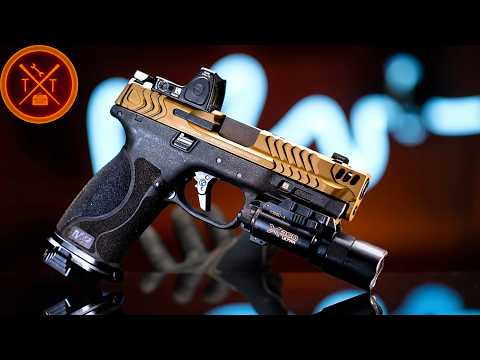
Bad First Time Gun Buyer Advice I Wish I Would Have Known

Published on April 21, 2024
Duration: 22:59

This video advises new firearm buyers against prioritizing 'what feels best in your hand' when selecting a handgun. Instead, it emphasizes the importance of logistics, such as accessory compatibility (lights, optics), holster availability, ammunition cost, and aftermarket support. The speaker argues that focusing solely on initial ergonomics can lead to costly mistakes and the need for subsequent firearm purchases to meet practical needs. The video highlights modern, striker-fired, double-stack pistols like the Glock 19, Smith & Wesson M&P, and HK VP9 as generally better starting points due to their logistical advantages and widespread support.

Quick Summary

New gun buyers are often advised to choose a firearm based on how it feels in their hand, but this is frequently bad advice. Prioritizing ergonomics over crucial logistical factors like accessory compatibility, holster availability, and ammunition cost can lead to buyer's remorse and the need for additional purchases. Modern, well-supported handguns offer better long-term value and practicality.

Chapters

  1. 00:00Introduction: The Gun Lie
  2. 00:41Midway USA Support
  3. 00:53The 'Feels Best' Lie Explained
  4. 02:00Why 'Feels Best' is Bad Advice
  5. 02:08Glock 19X/45 Example
  6. 03:01Smith & Wesson 686 Mistake
  7. 03:31Kimber Raptor II 10mm Analysis
  8. 06:23Beretta M9A4 Analysis
  9. 09:07Sig P320 Analysis & Controversy
  10. 13:19HK USP Compact Analysis
  11. 15:40Logistics vs. Ergonomics
  12. 16:08Glock as the Preparedness Example
  13. 17:43Glock Logistics Advantage
  14. 18:30Recommended First Pistols
  15. 19:04Modern Striker-Fired Benefits
  16. 20:02What I Wish I Knew
  17. 22:11Conclusion: Prioritize Preparedness

Frequently Asked Questions

What is the most common bad advice given to new gun buyers?

The most common bad advice given to new gun buyers is to choose a firearm based solely on how it feels in their hand. While comfort is a factor, this advice often overlooks critical aspects like accessory compatibility, holster availability, ammunition cost, and aftermarket support, which are essential for long-term satisfaction and preparedness.

Why is focusing on firearm ergonomics alone a mistake for beginners?

Focusing solely on firearm ergonomics can lead to purchasing a gun that is difficult or expensive to accessorize, find holsters for, or maintain with affordable ammunition. This often results in the new owner needing to buy a second, more practical firearm soon after, incurring unnecessary costs and frustration.

What are the key logistical factors to consider when buying a first handgun?

Key logistical factors include the availability and cost of holsters, magazines, and ammunition. Additionally, consider the ease of mounting accessories like weapon lights and red dot sights, and the general aftermarket support for parts and customization.

Which types of handguns are generally recommended for new owners based on logistics?

Modern, double-stack, striker-fired pistols are generally recommended for new owners. Examples include the Glock 19, Smith & Wesson M&P series, and the HK VP9, due to their widespread availability of accessories, affordable ammunition, and robust aftermarket support.

More Training & Techniques Videos You Might Like

More from Magic Prepper

View all →