BCM Training Tip - Turns

Published on January 1, 2021
Duration: 5:14

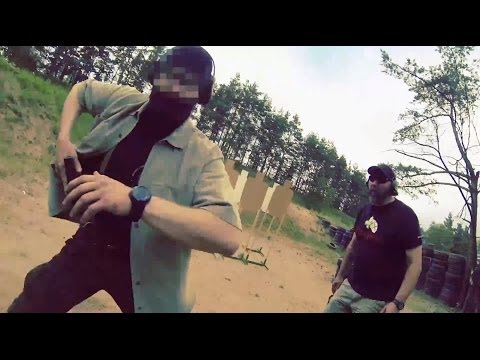
This BCM training tip, presented by Larry Vickers, details the critical mechanics of executing tactical turns with a carbine. It emphasizes leading with the head for threat assessment, proper footwork pivoting on the ball of the foot, and driving the muzzle directly to the target. Vickers strongly advocates for extensive dry fire practice to ingrain these techniques before live fire.

Quick Summary

Master tactical carbine turns by leading with your head to scan threats, pivoting on the ball of your foot with bent knees for stability, and driving the muzzle directly to the target. Larry Vickers stresses dry fire practice to perfect these aggressive fighting stance mechanics.

Chapters

  1. 00:00Introduction & Gear Overview
  2. 00:42Importance of Head Movement
  3. 01:19Footwork and Pivoting Techniques
  4. 02:10Efficient Muzzle Management
  5. 02:32Live Fire Demonstrations
  6. 04:33Summary and Practice Advice

Frequently Asked Questions

What is the most important first step when executing a tactical turn with a carbine?

The most crucial first step is to initiate the turn with your head. This allows you to scan the threat zone and assess the situation before your body commits, ensuring you are prepared for what you encounter.

How should one pivot their feet during a tactical carbine turn?

Proper footwork involves bending your knees and pivoting on the ball of your foot. This provides a stable and efficient base, allowing for better balance and quicker transitions compared to a flat-footed or heel pivot.

What is the recommended muzzle control technique during a tactical turn?

The muzzle should be driven directly to the target from its current position. This is the most efficient path and ensures your weapon is ready to engage threats as soon as the turn is completed, minimizing reaction time.

Why is dry fire practice emphasized for tactical turns?

Dry fire practice is essential for mastering the biomechanics of tactical turns without the distractions or costs of live ammunition. It allows for repetition and refinement of head movement, footwork, and muzzle control until they become instinctive.

More Training & Techniques Videos You Might Like

More from Vickers Tactical

View all →