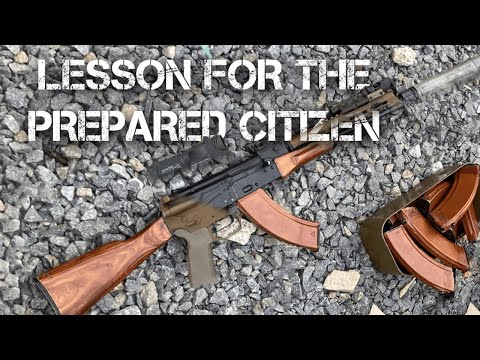
Building a Preparedness Team

Published on August 25, 2023
Duration: 15:55

This video provides a comprehensive guide on building a preparedness team, emphasizing the importance of individual consistency and leadership. It outlines strategies for finding like-minded individuals, developing foundational skills, and scaling up group training. The speaker, from Brass Facts, stresses that personal preparedness is the prerequisite for effective team building, advocating for a proactive approach rather than waiting for others.


Quick Summary

Building a preparedness team starts with individual consistency and leadership. Develop your own skills first, then lead by example by engaging in activities and inviting others. Utilize online platforms and in-person events to find like-minded individuals, and focus on fundamental skills before advanced training.

Chapters

  1. 00:00Introduction: Building a Preparedness Team
  2. 01:23Why Build a Small Team?
  3. 03:16Getting Started: The Process
  4. 04:14Lead by Example
  5. 06:36Where to Find People
  6. 08:06Online Platforms for Networking
  7. 10:10What to Work On as a Team
  8. 11:36Organic Growth and Scaling
  9. 12:03Advanced Training with Larger Groups
  10. 13:59Downsides of Large Groups
  11. 14:35Personal Approach and Conclusion

Frequently Asked Questions

How do you start building a preparedness team?

Begin by developing your own preparedness skills and routines consistently. Lead by example by engaging in activities like shooting or rucking and inviting others to join, demonstrating commitment and fostering a culture of participation within your community.

What are effective ways to find like-minded individuals for a preparedness team?

Utilize online platforms like Discord servers focused on local firearms communities or specific gear, and social media like Instagram for networking. In-person events such as gun shows, local range meetups, and even social gatherings can also be effective for connecting with potential team members.

What should a new preparedness team focus on?

New preparedness teams should prioritize fundamental skills and competencies. This includes mastering basics like proper reloads, water filtration, and ensuring gear is well-maintained and broken in, rather than focusing on advanced drills or purely recreational shooting.

Is it better to have a small or large preparedness team?

Both small and large teams have advantages. Small, core groups offer manageability and ideological alignment, while larger, organized groups provide scalability and resilience against member attrition, though they require more rigorous vetting to avoid inefficiency.

More Training & Techniques Videos You Might Like

More from Brass Facts

View all →