Bullet Rotation

Published on May 13, 2025
Duration: 0:13

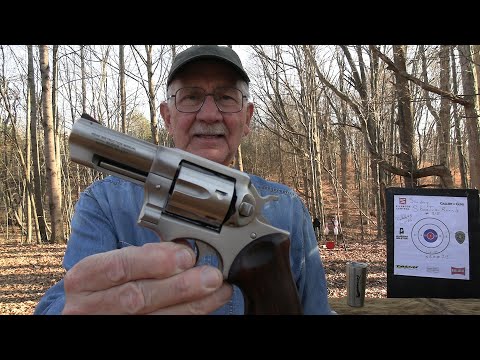
This video demonstrates the effect of rifling on a bullet's flight and terminal ballistics. Using a Ruger SP101 in .357 Magnum, the instructor fires a round into ballistic clay, visually showing the rotational damage path caused by the rifling. The demonstration highlights how spin stabilizes the projectile, influencing its impact and energy transfer. The speaker's high authority level is evident through their precise handling and use of specialized testing materials.

Quick Summary

The video demonstrates how rifling stabilizes a bullet by imparting spin, which is visualized as a rotational damage path in ballistic clay. Fired from a Ruger SP101 revolver in .357 Magnum, the projectile's impact shows the effects of gyroscopic stability and energy transfer, offering clear insights into terminal ballistics.

Chapters

  1. 00:00Loading and Preparation
  2. 00:05Firing Sequence
  3. 00:09Ballistic Analysis

Frequently Asked Questions

How does rifling affect a bullet's impact?

Rifling imparts spin to a bullet, stabilizing its flight path. This spin creates a rotational damage path upon impact, as seen in ballistic clay, demonstrating the projectile's gyroscopic stability and energy transfer characteristics.

What is shown in the ballistic clay after impact?

The ballistic clay shows a spiral or 'corkscrew' wound channel. This visual evidence directly illustrates the rotational force imparted by the firearm's rifling, confirming the bullet was spinning as it traveled through the medium.

What firearm was used in the demonstration?

The demonstration utilized a Ruger SP101 revolver, chambered in .357 Magnum. This specific model is known for its robust stainless steel construction and compact size, suitable for various applications.

Why is ballistic clay used for testing?

Ballistic clay is an effective medium for terminal ballistics testing because it deforms predictably, allowing for clear visualization of the projectile's path, expansion, and energy transfer. It simulates tissue density to some extent.

Related News

All News →

More Training & Techniques Videos You Might Like

More from Let’s Shoot It

View all →