Can You Outshoot an FBI Agent? [Part 2: 1980s]

Published on June 3, 2024
Duration: 14:18

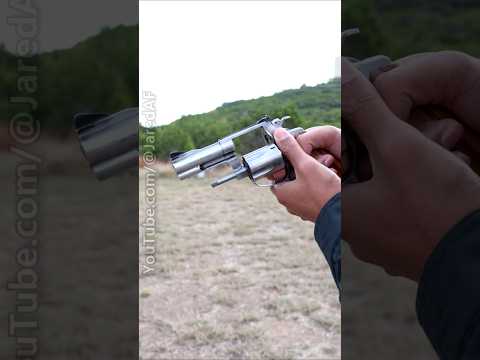
This video simulates the 1980s FBI Revolver Qualification Course (RQC), highlighting the evolution of handgun training with techniques like the Weaver stance and rollover prone position. Instructor Chris Baker demonstrates the course using a Smith and Wesson Model 64, emphasizing the challenges of reloading with loose rounds versus modern speed loaders and the impact of the 1986 Miami Shootout on FBI firearms doctrine. The RQC involved shooting from various distances, including 60 yards, and incorporated barricade and overhead shooting.

Quick Summary

The 1980s marked a pivotal era for FBI firearms training, introducing modern combat pistol techniques like the Weaver stance and rollover prone position. The 1986 Miami Shootout spurred critical advancements in ammunition, ballistics, and tactical doctrine, influencing courses like the RQC and the transition to semi-automatic pistols.

Chapters

  1. 00:02Introduction: FBI Pistol Tests 1980s
  2. 01:06FBI Firearms Training Evolution in the 80s
  3. 02:41Impact of the 1986 Miami Shootout
  4. 03:011980s FBI Revolver Qualification Course (RQC)
  5. 06:06RQC Phase 1 Detailed
  6. 07:50RQC Phases 2-4 Details
  7. 08:20RQC Performance and Challenges
  8. 08:57Transition to Semi-Autos in the FBI
  9. 09:531988 FBI Pistol Qualification Course (PQC)
  10. 10:48PQC - Sig P239 Used
  11. 11:11PQC Stage 1
  12. 11:44PQC Stage 2
  13. 12:25PQC Stage 3 & 4
  14. 12:55PQC Scoring and Performance
  15. 13:53Conclusion and Future Content

Frequently Asked Questions

What were the key changes in FBI firearms training during the 1980s?

The 1980s brought significant changes, including the introduction of modern combat pistol techniques like the Weaver stance, influenced by figures such as Bill Rogers. The 1986 Miami Shootout also prompted advances in ammo research, ballistics, and tactical training.

What firearms were used in the 1980s FBI qualification courses?

The 1980s FBI Revolver Qualification Course (RQC) used revolvers like the Smith and Wesson Model 64 in .38 Special. The transition to semi-autos saw agents using Smith & Wesson Model 459s, Sig P226, and P228 models in 9mm.

How did reloading techniques evolve in the FBI during the 1980s?

Reloading methods evolved from loose rounds to dump pouches and specialized speed loaders like the Safari Land Comp 2. This evolution was crucial for meeting the demanding time standards of the FBI's qualification courses.

What was the significance of the 1986 Miami Shootout on FBI training?

The 1986 FBI shootout in Miami was a critical event that led to significant advancements in ammunition research, ballistics, and a fundamental reevaluation and change in firearms training and tactics employed by the FBI.

More Training & Techniques Videos You Might Like

More from Lucky Gunner Ammo

View all →