Chainfire! Is it dangerous?

Published on August 9, 2023
Duration: 10:55

This guide, based on expert analysis from InRangeTV, details how to prevent chainfire in black powder revolvers. It emphasizes the critical role of projectile sizing in creating a proper seal and discusses historical and modern loading practices. The information is presented with a high degree of authority, drawing on historical documents and experimental testing.


Quick Summary

Preventing chainfire in black powder revolvers hinges on ensuring a proper seal at the chamber mouth, primarily achieved through correctly sized projectiles. For .44 caliber revolvers, using .457 diameter round balls or appropriately sized conical bullets is recommended. While modern lubricants can assist, they are secondary to projectile fit.

Chapters

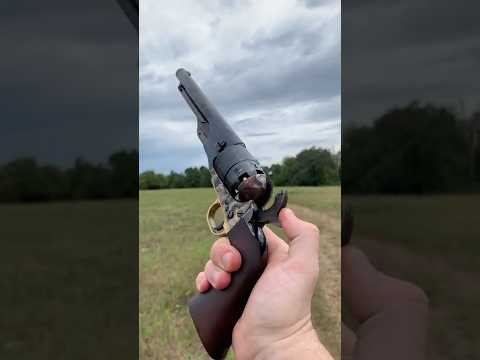
  1. 00:00Introduction to the 1860 Colt
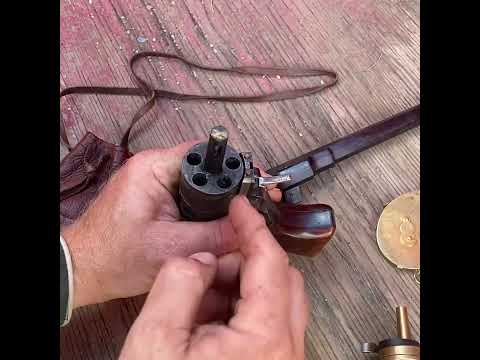
  2. 00:28The Concept of Chainfire
  3. 01:21Dangers and Mechanics of Chainfire
  4. 03:21Historical vs. Modern Loading
  5. 04:44The Primary Cause: Undersized Projectiles
  6. 06:56Visual Analysis of a Chainfire
  7. 08:28Modern Precautions and Recommendations

Frequently Asked Questions

What is chainfire in a black powder revolver?

Chainfire is the simultaneous ignition of multiple chambers in a percussion revolver. It occurs when flame from one chamber ignites the powder in an adjacent chamber, often due to a poor seal at the chamber mouth.

What causes chainfire in antique revolvers like the Colt 1860?

The primary cause of chainfire is an undersized projectile (round ball or conical bullet) that fails to create a tight seal against the chamber walls, allowing flame to propagate between chambers.

How can I prevent chainfire when loading my black powder revolver?

Ensure your projectiles are correctly sized to form a tight seal. For .44 caliber revolvers, this often means using .457 diameter round balls or appropriately sized conical bullets. Proper seating of the projectile is also crucial.

Are modern lubricants necessary to prevent chainfire?

While lubricants and wadding can help reduce fouling and mitigate chainfire, they are not a substitute for a properly sized projectile that creates a good seal. Historical methods often relied solely on projectile fit.

More Training & Techniques Videos You Might Like

More from InRangeTV

View all →