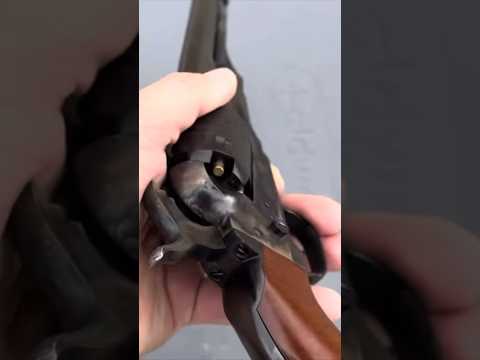
Colt 1855 Revolving Rifle at the Range

Published on December 20, 2020
Duration: 5:19

This guide details safe handling procedures for the Colt 1855 Revolving Rifle, emphasizing techniques to mitigate risks like chain fire and gas leakage. It highlights the importance of hand placement and proper percussion cap usage, drawing on expert insights from Ian McCollum of Forgotten Weapons. The Colt 1855 is presented as a historically significant repeating firearm with unique safety considerations due to its 1855 design.

Quick Summary

When firing the Colt 1855 Revolving Rifle, prioritize safety by keeping your support hand behind the cylinder to avoid injury from chain fire and gas splatter. Ensure percussion caps fit properly to prevent 'spackling' and maintain safe operation of this historical firearm.

Chapters

  1. 00:00Introduction to the Colt 1855
  2. 01:01Safety and Chain Fire Risks
  3. 02:31Percussion Caps and British Proofing
  4. 03:36Historical Context and Performance

Frequently Asked Questions

What are the primary safety concerns when firing a Colt 1855 Revolving Rifle?

The main safety concerns include 'chain fire,' where multiple chambers ignite simultaneously, and gas/lead splatter from the cylinder gap. Shooters must keep their support hand behind the cylinder to avoid injury.

Why is proper percussion cap fit important for the Colt 1855 Revolving Rifle?

Improperly fitting percussion caps, especially on older firearms with non-standard nipple sizes like British proofed models, can lead to gas leakage and 'spackling' on the shooter's face.

What historical significance does the Colt 1855 Revolving Rifle hold?

The Colt 1855 Revolving Rifle was notable for being the first repeating firearm adopted by the US military, offering a significant firepower advantage over single-shot alternatives of its time.

What is the recommended powder charge for testing an antique Colt 1855 Revolving Rifle?

To be gentle on the 170-year-old firearm, it's recommended to use conservative powder charges, typically between 25 to 30 grains.

Related News

All News →

More Training & Techniques Videos You Might Like

More from Forgotten Weapons

View all →